“Organic,” “natural” and “low-intervention” are not synonyms. If a bottle costs more because of one of those labels, I ask what the producer actually did. Porto’s wine bars are usually happy to talk you through it; you don’t need specialist vocabulary.
Two good places to start
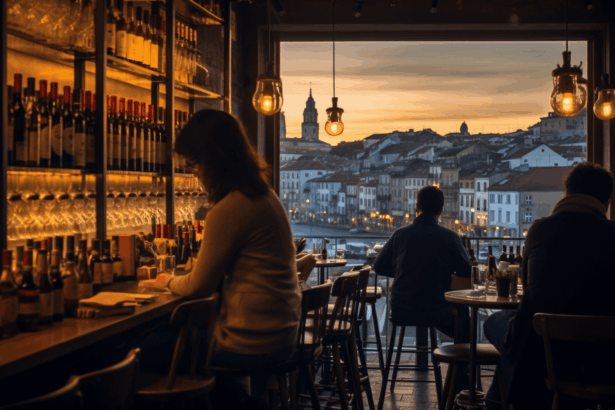
Prova on Rua Ferreira Borges is my pick when I want a broad Portuguese list and someone to steer me by taste: crisp white, light red, mineral, richer, or something with a little funk. Ask what is open by the glass before you settle on a bottle. Map
For a glass around Bombarda, Genuíno is a useful stop with small plates and a low-intervention focus. Check current opening days before making the trip. These two are in different parts of town; I’d pick one that fits dinner rather than turn the evening into a wine-bar crawl.
What the labels mean
“Organic” is the regulated one. Look for the EU organic leaf and the control-body code, or ask what certification applies; the European Commission explains the logo and rules. “Natural wine” has no single EU certification that means every producer follows the same method. Ask about the grapes, fermentation, filtration and sulphur if you care about those details.
Cloudiness or a funky smell is not proof of quality. I taste first and ask whether the bottle is fresh, oxidative or deliberately wild. If the answer sounds like a performance, order something else.
Let the region guide you
Douro is the obvious local conversation, but ask about Dão, Bairrada and Vinho Verde too. Tell the person pouring what you enjoy, not what you think you ought to enjoy. “A bright white with seafood” or “a light red for petiscos” is enough to get a useful recommendation.
If you’re buying a bottle to take home, try it before paying for a case. Wine is heavy, fragile and awkward in hand luggage. A bottle you’ll actually drink is a better souvenir than one with the most persuasive story.