Last updated: 15 July 2026.
Eating in Porto with a food allergy is possible, but you need to be direct. Not dramatic. Not apologetic. Direct. Portuguese restaurants can be helpful, but a busy kitchen is still a busy kitchen, and your immune system does not care that everyone was charming.
This is practical travel guidance, not medical advice. If you have a serious allergy, follow your doctor’s plan, carry the medication prescribed to you, and do not rely on a waiter guessing from a vague request. In a medical emergency in Portugal, call 112.
Portugal follows EU food information rules, including the main allergen categories used across the EU. In real restaurant life, that does not mean every small cafe will handle cross-contact perfectly. It means you should ask clearly, get confirmation from the kitchen, and walk away if the answer feels like fog wearing an apron.
What Matters Most
- Say it before ordering: not when the plate arrives.
- Use Portuguese words: write them down and show the staff.
- Be clear about severity: “allergy” is not the same as preference.
- Ask about cross-contact: especially fryers, grills, sauces and desserts.
- Choose calmer restaurants: rushed kitchens are riskier.
- Call 112 in an emergency: do not wait around trying to be polite.
The Most Useful Portuguese Phrases
- Tenho uma alergia grave a ___. I have a serious allergy to ___.
- Sou alérgico/a a ___. I am allergic to ___.
- É uma alergia, não é uma preferência. It is an allergy, not a preference.
- Pode confirmar com a cozinha? Can you check with the kitchen?
- Este prato tem ___? Does this dish contain ___?
- Há risco de contaminação cruzada? Is there a risk of cross-contact?
- Não posso comer nada que tenha tocado em ___. I cannot eat anything that has touched ___.
- Se tiver dúvida, prefiro não pedir. If you are not sure, I prefer not to order it.
- Preciso de ajuda médica. Ligue 112. I need medical help. Call 112.
EU Allergen Words in Portuguese
The EU allergen categories are useful because restaurants and packaged-food labels should recognise these words. Still, do not treat a printed menu like a force field. Ask.
- Cereals containing gluten: cereais com glúten, trigo, cevada, centeio, aveia.
- Crustaceans: crustáceos, camarão, caranguejo, lagosta.
- Eggs: ovos.
- Fish: peixe.
- Peanuts: amendoins.
- Soybeans: soja.
- Milk / lactose: leite, lactose, manteiga, natas, queijo.
- Tree nuts: frutos de casca rija, amêndoas, nozes, avelãs, caju, pistácio.
- Celery: aipo.
- Mustard: mostarda.
- Sesame: sésamo.
- Sulphites: sulfitos, dióxido de enxofre.
- Lupin: tremoço.
- Molluscs: moluscos, mexilhão, amêijoa, polvo, lula.
Common Hidden Risks in Porto Food
Soups and stews can contain stock, flour, shellfish, fish, dairy or pork products even when the menu description looks harmless. Caldo is not just warm water with optimism.
Fried food is a cross-contact problem. The same fryer may handle fish, shellfish, breaded meat, potatoes and snacks. If your allergy is severe, ask specifically about the fryer.
Seafood rice, fish rice and stews can carry shellfish, fish stock or molluscs through the whole dish. Removing the visible shrimp does not remove the problem. That is not how physics works, sadly.
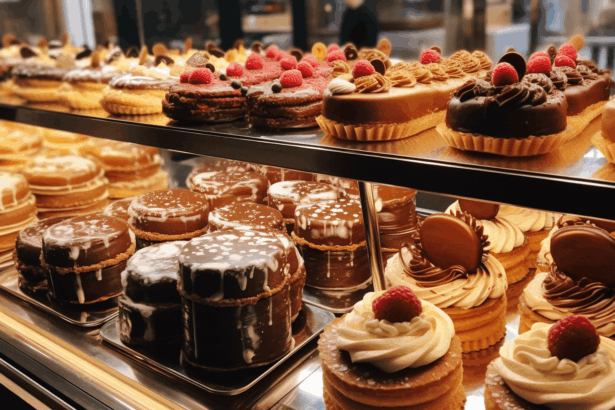
Desserts and pastries often involve eggs, milk, butter, wheat, nuts or traces from shared bakery equipment. Pastelarias are beautiful places to make bad assumptions.
Vegetarian dishes are not automatically safe for vegans, dairy allergies, egg allergies or fish allergies. Ask about stock, cheese, egg wash, butter and shared grills.
Gluten and Coeliac Notes
If you have coeliac disease, use sou celíaco if you are male and sou celíaca if you are female. Sem glúten means gluten-free. But the phrase alone is not enough if cross-contact is a serious issue.
Be especially careful with bakeries, shared fryers, francesinha sauce, breaded snacks, beer, pastries and sauces thickened with flour. Some restaurants understand coeliac needs well. Others hear “gluten-free” and think “remove the bread and pray.” Prayer is not a food safety system.
Which Restaurants Are Usually Easier?
- Hotel restaurants: often better for written requests, English communication and calmer service.
- Higher-end restaurants: more likely to discuss allergens before booking, but never assume.
- Modern brunch/specialty cafes: often used to dietary questions, but check cross-contact.
- Vegan/vegetarian restaurants: useful for dairy/egg/meat avoidance, but not automatically safe for nuts, sesame, gluten or soy.
- Small traditional tascas: can be great, but communication and cross-contact control may be harder during rush hours.
For broader restaurant planning, use the best restaurants in Porto, the breakfast in Porto and the best cafes in Porto. Then contact the restaurant directly if the allergy is serious.
Before You Book
- Message the restaurant with the allergy in Portuguese and English.
- Ask whether they can safely handle it before you reserve.
- Choose quieter service times when possible.
- Bring a written allergy card or phone note.
- Carry your medication, not just hope and a translation app.
- Do not be shy about leaving if the answer is unclear.
At the Table
Say the allergy clearly before ordering. Ask staff to confirm with the kitchen. If the dish arrives and you are not confident, do not eat it to avoid awkwardness. Awkwardness is survivable. A reaction may not be.
If you are travelling with friends, make sure one person knows what to do in an emergency. They should know where your medication is, what your allergy is called in Portuguese, and that 112 is the emergency number.
Simple Allergy Card Template
You can save this note and replace the blank with your allergen:
Tenho uma alergia grave a ___. Não posso comer este ingrediente nem alimentos que tenham tocado nele. Pode confirmar com a cozinha se este prato é seguro? Se houver dúvida, prefiro não pedir. Em caso de emergência, ligue 112.
Translation: I have a serious allergy to ___. I cannot eat this ingredient or foods that have touched it. Can you check with the kitchen if this dish is safe? If there is any doubt, I prefer not to order it. In an emergency, call 112.
What I Would Avoid
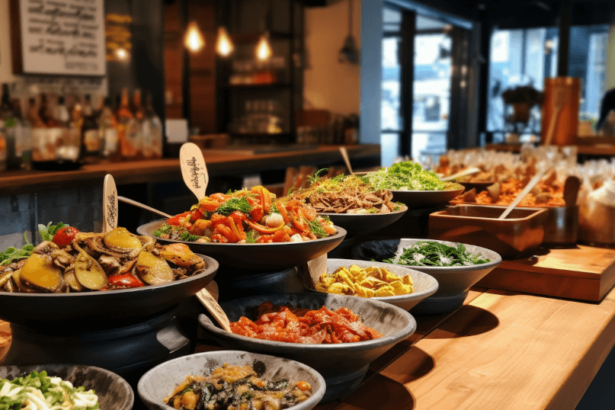
- Buffets, unless the restaurant has very clear allergen controls.
- Shared fryers if gluten, fish, shellfish or egg cross-contact matters.
- Busy lunch rush in tiny kitchens for complex requests.
- Assuming “vegetarian” means dairy-free, egg-free or fish-stock-free.
- Letting someone wave away the question with “it is fine” without checking.
My take
Food allergies in Porto are manageable if you are clear, prepared and willing to walk away from uncertain answers. Use Portuguese phrases, ask about cross-contact, choose calmer restaurants, and carry your medication. Porto is a generous food city, but it is still a city of busy kitchens, old recipes and tiny rooms. Be kind, be direct, and do not outsource your safety to vibes.