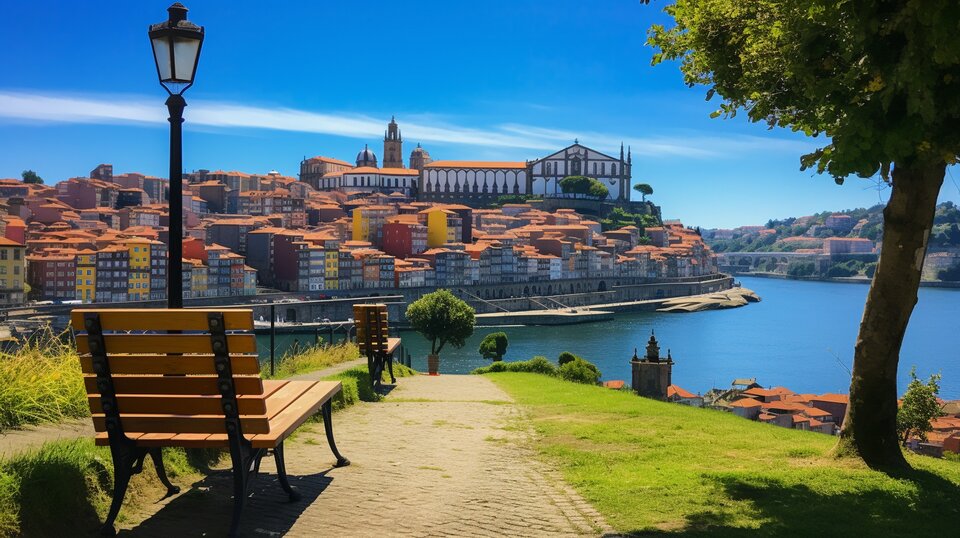
Porto can be a hard city to improvise in if you have limited mobility: the centre rises sharply from the river, pavements narrow without warning, and polished cobbles get slick in rain. I would plan by surfaces and confirmed entrances, not by how close two pins look on a map.
Start with Porto’s accessible itineraries
Before booking sights, open Visit Porto’s Accessible Porto guide. It has district itineraries and tactile maps, with QR links to specific access information. The city also warns that being listed does not guarantee a place meets every access need, so use it as a shortlist, then confirm the details with the venue.
A concrete outing: Serralves
Serralves is one of the more useful places to plan around because its own visitor information lists lifts, ramps, adapted toilets and wheelchairs. There is also a clearly described reduced-mobility route through the upper gardens: 850 metres, about 45 minutes. That is a much better planning detail than a vague promise that the park is “accessible.” The foundation currently notes that its wheelchair traction equipment is under maintenance, so check its accessibility page before you go and ask what is available for your visit.
Casa da Música and the old centre
Casa da Música is a practical cultural stop in Boavista; its visitor information describes lifts and ramps in visitor areas. Ask about the route for your particular event, since access to the building and access to a specific seat or room are different questions.
In Baixa and Ribeira, a route that looks short can mean a steep descent, then the same climb back, plus cobbles and crowded pavements. São Bento’s station hall is easier to make a brief stop than to use as a promise of a step-free walking route through the surrounding old streets. If the riverside is on your list, plan a taxi drop-off close to the exact restaurant or quay you want, and have a return option ready.
Transport: check the actual vehicle and stop
STCP says its accessible buses have ramps and reserved wheelchair spaces, but only one wheelchair or one open pushchair can travel on a bus at a time; a broken ramp can also mean waiting for the next service. Check the current STCP accessibility guidance, and allow slack rather than connecting two tight appointments. For Metro, check the exact stations and lift status for your route with Metro do Porto before setting out.
Before you book a room
Ask the hotel, in writing, about the entrance threshold, lift dimensions, bathroom layout, shower access, bed height and whether a vehicle can stop near the door. “Accessible room” can mean different things. I would also check the street immediately outside: a step-free hotel entrance does not solve a steep or narrow approach.
Porto is not an easy city for every body, and it is better to say that plainly. Choose one confirmed outing, arrange the hard transfers, and leave the rest of the day loose. You should not have to spend your holiday discovering that the lift, ramp or accessible toilet you were counting on is somewhere else.