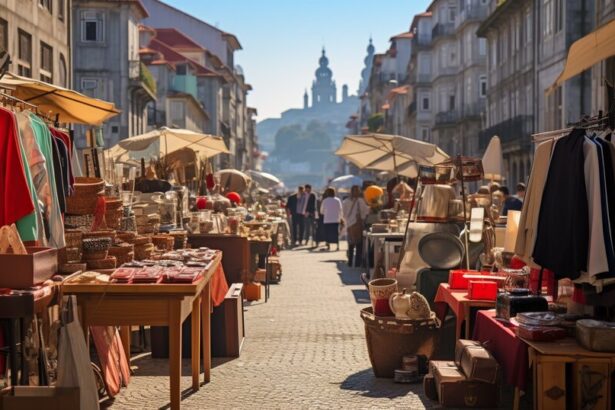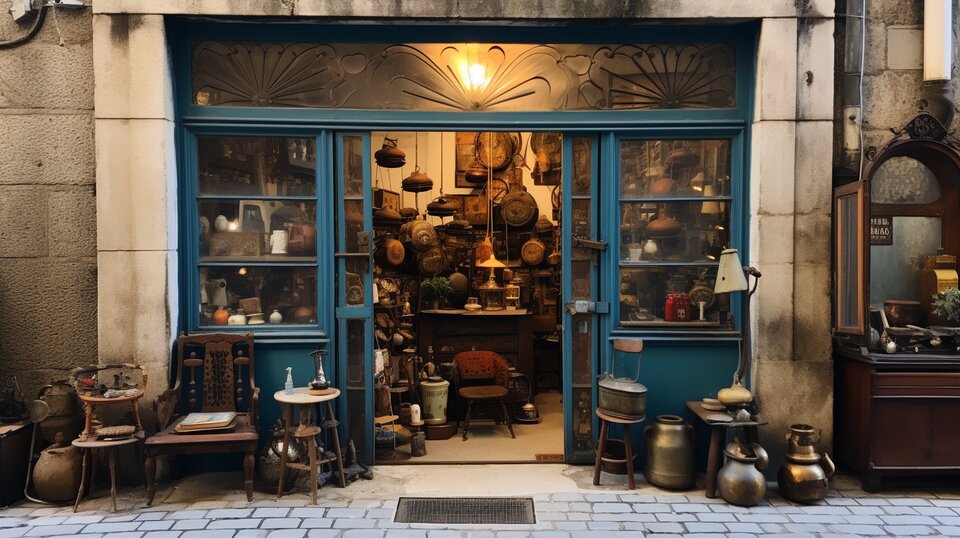
Vintage and second-hand shopping in Porto can be really good if you enjoy looking slowly. The city has old books, records, ceramics, clothes, furniture, jewellery, flea-market tables and small shops where you never know exactly what you will find.
It can also be easy to buy something only because the shop looked charming and you were in a good mood. I have done that before, and the object becomes much less poetic when you carry it up a hill or try to fit it in luggage.
The best rule is simple: enjoy the hunt, but inspect everything.
Where to start
For casual browsing, I would start around Cedofeita, Miguel Bombarda, Baixa side streets, Bonfim and the market circuit. Porto’s second-hand finds are scattered, which can be annoying, but it also makes the search more fun.
If you want curated vintage, central boutiques and design areas are easier. If you want cheaper and messier browsing, markets are better. If you want antiques, slow down and ask more questions.
Clothes
Vintage clothing can be worth it in Porto, especially jackets, leather, denim, shirts, knitwear, dresses and accessories. Before buying, check the boring things: seams, lining, cuffs, collars, zips, buttons, stains and smell.
Porto is damp, and damp can stay in old fabric. A normal vintage smell is one thing. A wet basement smell is not something I would take home.
Try things on if possible. Sizes on older clothes are not always helpful, and a label does not care about your current body.
Furniture and home pieces
Second-hand furniture is more useful if you live in Porto. For visitors, it is mostly a nice thing to look at unless you have shipping arranged.
If you are buying furniture, check joints, drawers, woodworm, smell, water damage and whether it can actually fit through your building entrance or apartment stairs.
Small pieces are easier: lamps, ceramics, mirrors, trays, framed prints, glassware and textiles. Check cracks, plugs, wiring, missing screws, unstable legs and stains. Charm does not fix a broken object.
Books, records and prints
Porto is good for slow browsing if you like old books, records, prints, postcards, maps and exhibition catalogues.
With records, check the condition properly. With books, check mould, missing pages, broken spines and whether you want to carry a heavy hardback around for the rest of the day.
Old postcards, small prints and paper pieces can make better souvenirs than something heavy or fragile.
Markets
Feira da Vandoma is the classic Porto flea-market name. It has moved over the years, so check the current location and hours before going. Market information changes more often than people expect.
The antiques fair at Praça Francisco Sá Carneiro, also known by many people as Praça Velásquez, is another one to know if you like books, porcelain, coins, jewellery, tapestries, paintings and older objects.
Go early if you are serious. Bring small cash, patience and the ability to leave with nothing. Some days are great. Some days are just a lot of cables, old plates and things you do not need.
Antiques
If you are buying antiques, ask about age, origin, materials, restoration, condition and delivery. For jewellery, ask about metal and hallmarks. For art, ask about provenance.
Be especially careful with old azulejos or architectural pieces. If the source is not clear and documented, I would leave them alone. Porto has lost enough from old buildings already.
A serious seller should be able to answer normal questions. If every answer is vague, walk away.
What is worth buying
- Small ceramics: easy to pack if wrapped well.
- Prints and postcards: light, personal and easy to carry.
- Vintage jackets: good if the fit and smell are right.
- Jewellery: only after checking quality and metal.
- Records: good if condition is decent and you can carry them flat.
- Small lamps: only if wiring and plug situation make sense.
What I avoid
- Anything damp, mouldy or heavily perfumed.
- Large furniture without a delivery plan.
- Electronics you cannot test.
- Old tiles or architectural pieces with unclear origin.
- Clothes with stains you are hoping will disappear.
- Objects I only like because the shop lighting is good.
A simple browsing route
Start in Cedofeita, drift toward Miguel Bombarda, then continue into Baixa if you still have energy. Save markets for a separate morning because they need patience.
If you are staying longer in Porto, keep notes when you pass interesting shops. The best second-hand finds often appear when you were not officially shopping.
My take
Porto is good for vintage and second-hand shopping because it still has odd corners, small shops and market days where the search feels real.
Inspect everything, ask questions and buy slowly. If an object needs a long explanation to justify it, leave it where it is. Your luggage and your apartment will thank you later.