Last updated: 24 June 2026.
Pão de ló is one of those Portuguese desserts that looks simple until you start paying attention. At its most basic, it is a sponge cake made with eggs, sugar and flour. In practice, the texture can range from light and dry to soft, rich and almost custardy in the centre. It is more bakery and celebration food than a restaurant dish, so the best way to find it in Porto is to think like someone shopping for dessert, not someone booking dinner.
I would think about pão de ló by texture first: the lighter sponge versions, the soft eggy versions, and the regional ones that are worth a small detour if you really like Portuguese sweets.
What I Would Look For
- Best way to try it in Porto: ask in good confeitarias, bakeries and traditional food shops, especially around holidays.
- Best nearby regional style: pão de ló de Ovar, known for its soft, eggy centre.
- Best northern day-trip angle: Felgueiras and the famous Casa de Margaride tradition if you are exploring beyond Porto.
- Best pairing: espresso, tea, tawny port, sparkling wine or a simple glass of vinho verde depending on the cake style.
- Do not expect: every restaurant dessert menu in Porto to serve it fresh every day.
What Is Pão de Ló?
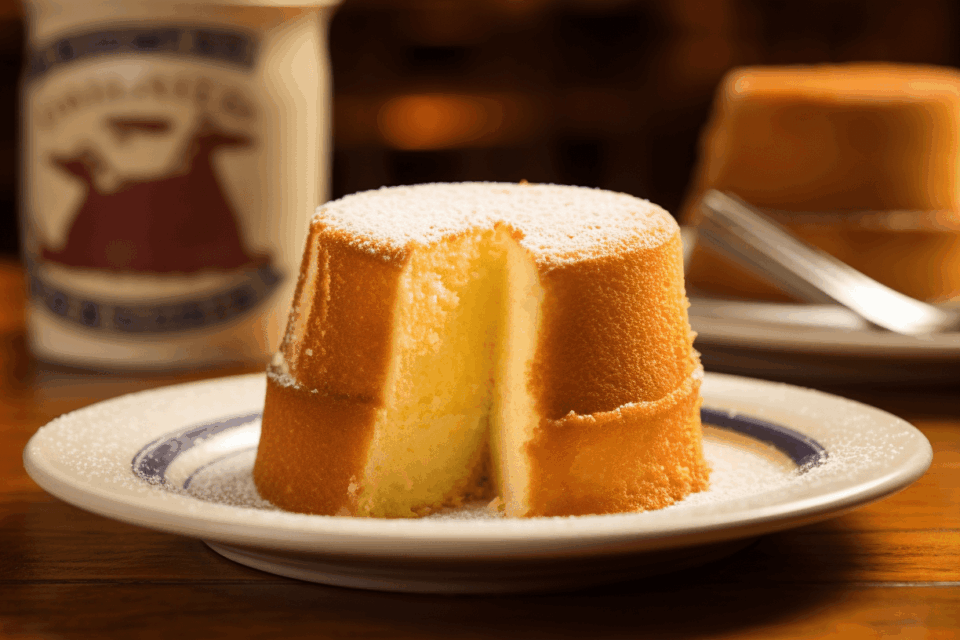
Pão de ló is Portuguese sponge cake. The ingredients are usually simple, but the result depends on ratios, beating, baking time and regional tradition. Some versions are fully baked and slice cleanly. Others are deliberately soft in the middle, with a rich egg cream texture that almost collapses when cut.
If you are used to heavily frosted cakes, pão de ló can seem plain. That is the point. Good pão de ló is about eggs, texture and freshness. Bad pão de ló is just dry sponge. The difference is obvious after one bite.
Styles Worth Knowing
Classic Dry or Light Pão de Ló
This is the easiest style to transport and serve. It is usually sliced, simple and good with coffee or tea. It can be excellent when fresh, but it becomes boring quickly if it has been sitting around too long.
Best for: a simple bakery dessert, breakfast-like snack, taking to a picnic or apartment.
Soft-Centred Pão de Ló
The soft-centred versions are richer and more dramatic. The middle is moist, eggy and almost spoonable. This is the style that tends to win people over if they thought sponge cake sounded dull.
Best for: dessert with coffee or port, sharing after lunch, anyone who likes custard textures.
Watch for: transport. A soft cake is not as easy to carry around all day.
Pão de Ló de Ovar
Ovar, south of Porto, is one of the best-known names for pão de ló. Its version is famous for the creamy centre and is worth seeking out if you care about Portuguese sweets. You may find it in Porto at good shops, but Ovar itself is the more direct source.
Search for pão de ló de Ovar on Google Maps.
Pão de Ló de Margaride
Felgueiras, northeast of Porto, has its own pão de ló tradition, especially associated with Casa de Margaride. This is more of a regional food stop than a casual Porto dessert errand, but it is useful to know if you are planning a northern Portugal route.
Search for Casa de Margaride in Felgueiras.
Where to Look in Porto
Traditional Confeitarias
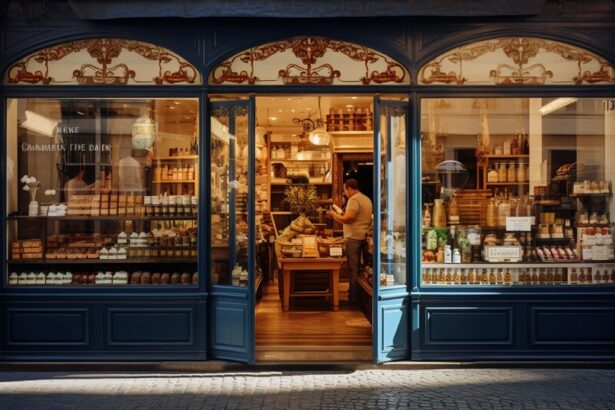
Your best everyday strategy is to search for good confeitarias and ask what is fresh. Pão de ló is not always displayed the way pastel de nata is, and availability can change with the season. Around Easter and Christmas, it is easier to find because festive sweets become more important.
Search for pão de ló in Porto confeitarias.
Bolhão and Food Shops
Mercado do Bolhão and the surrounding old food shops are useful if you are already building a food-shopping route. They are better for browsing Portuguese products than for guaranteeing one specific cake on demand, but they put you in the right area.
Open Mercado do Bolhão on Google Maps, or check the Mercado do Bolhão page.
Better Bakeries Outside the Tourist Spine
Do not only look between São Bento and Ribeira. Cedofeita, Bonfim, Boavista and neighbourhood streets away from the main viewpoint routes can be better for normal Portuguese bakery shopping. Look for steady local traffic, not just pretty windows.
Confeitaria Petúlia is one useful Porto bakery search when comparing traditional options, though you should always check current availability if pão de ló is your specific goal.
When to Eat Pão de Ló
Pão de ló works best after lunch, with afternoon coffee, or as a dessert to bring back to an apartment. It is also strongly connected with festive tables, especially Easter and Christmas. If you visit during those periods, ask bakeries what seasonal versions they have rather than ordering the same dessert everywhere.
In summer, a heavy eggy cake may not be the first thing you want at the beach. In colder months, it makes more sense with coffee, tea or a small glass of port.
What to Drink With It
- Espresso: the easiest pairing and usually the best for a simple slice.
- Tawny port: good with richer, eggier versions.
- Espumante: useful if the cake is sweet and you want freshness.
- Tea: better than forcing wine if you are eating it mid-afternoon.
- Vinho verde: works better with lighter cake and casual snacks than with very rich soft-centred versions.
For more dessert context, read Portuguese desserts in Porto. For wine pairing, the Port wine tasting page also helps.
How to Buy It Without Wasting Money
- Ask what is fresh: freshness matters more than fame.
- Buy the right size: soft-centred cakes are best shared and eaten soon.
- Do not carry it all day: especially if it is creamy in the middle.
- Check packaging: ask for proper boxing if you are taking it to an apartment or train.
- Do not judge by looks only: pão de ló can look plain and still be excellent.
A Simple Dessert Route
If you want a low-effort sweet-food route in Porto, start with coffee and pastry in Baixa, visit Bolhão, then look in traditional bakeries around Cedofeita or Bonfim later in the day. Try pão de ló if it looks fresh, but do not force the search if the day is hot or the bakeries are low on stock. Porto has plenty of other sweets.
If you are comparing sweets, also look at pastel de nata in Porto, Portuguese desserts in Porto, and what to eat in Porto.
My Take
Pão de ló is worth trying, but not because it is flashy. It is a simple Portuguese cake where freshness and texture do the work. In Porto, look for it in confeitarias, markets and traditional food shops, especially around festive seasons. If you want the more famous regional experience, look toward Ovar or Felgueiras. If you just want dessert today, ask what is fresh and trust the bakery counter more than a generic restaurant menu.