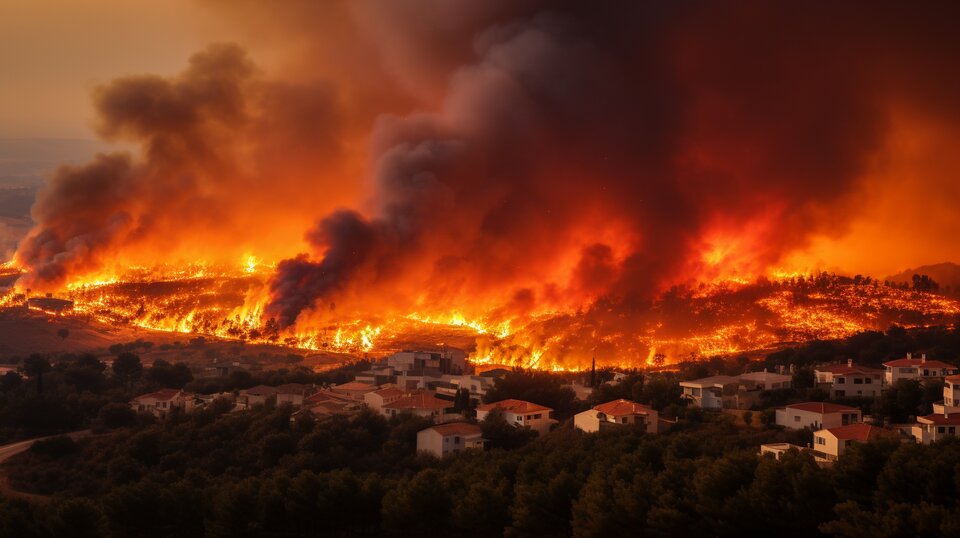
Porto city is not a village in the forest, but northern Portugal is never far away. Drive inland for a weekend, rent a rural house, visit friends, buy land, or spend time in the Douro, Minho or Trás-os-Montes, and wildfire season becomes something practical, not only something on the news.
Most days are normal. Then heat, wind, dry vegetation and one careless action can change things quickly. If you are new to Portugal, it is worth taking this seriously from the beginning.
Use official fire-risk information
For daily rural fire danger, check IPMA’s Perigo de Incêndio Rural for the municipality you are in or travelling to. IPMA shows the fire-danger class and forecast information.
For civil protection warnings, preventive measures and incidents, check ANEPC. During high-risk periods, ANEPC and the government may announce restrictions or alert situations, and those can change what is allowed.
If there is immediate danger, call 112.
Porto residents still need to care
If you live in central Porto, wildfire may feel distant. But smoke can travel, roads can close, trains and trips can be affected, and friends or property outside the city may be at risk.
The North is not only Porto and pretty scenery. It includes valleys, forested areas, farms, villages, hills and small roads where fire risk is more real.
If you are house-hunting outside Porto, ask about wildfire risk the same way you ask about damp, access, water, internet and legal documents. A good view is not enough.
Fire season is not only about flames
The risk can include smoke, poor air, road closures, power cuts, phone disruption, water issues, cancelled plans and blocked access. A remote house can become difficult very quickly if the only road out is affected.
This is why the boring questions matter: access roads, cleared land, water points, neighbours, local warnings and evacuation routes.
Check before rural trips
Before driving inland during hot, dry or windy periods, check:
- IPMA rural fire danger for the municipality.
- Weather and wind forecast.
- ANEPC warnings and active incidents.
- Local municipal restrictions.
- Road conditions if fires are nearby.
- Access and exit routes around your destination.
This matters especially for the Douro, Trás-os-Montes, interior Minho, mountain areas and small rural villages. The weather in Foz or Matosinhos does not tell you enough about inland risk.
Do not light fires because it feels normal
Barbecues, garden fires, burning cut vegetation, fireworks, machinery, smoking and careless parking can all create problems in dry conditions.
On days of very high or maximum rural fire danger, ANEPC warns that restrictions can include bans on burning, bonfires, some barbecue use outside authorised places, fireworks and certain machinery or work that can create sparks or heat.
Rules depend on place, risk level, season and alert status, so check before doing anything with fire. If you are unsure, do not light it.
Smoke days in Porto
Sometimes Porto gets smoke from fires elsewhere. You may notice haze, smell, irritated eyes, headaches or breathing discomfort.
People with asthma, heart problems, older people, babies and anyone more fragile should be more careful. Close windows if smoke is bad, avoid hard outdoor exercise, and follow official health or civil protection advice if air quality becomes an issue.
If symptoms are serious, get medical help. Do not try to solve breathing problems with guesses from social media.
If you live outside Porto
If you live in a rural or semi-rural area, wildfire preparation is part of normal life. Learn the local rules, talk to neighbours, know access roads and keep important documents somewhere you can take quickly.
Land-clearance obligations can apply around houses, access roads and rural properties. Check your municipality, ICNF information and local civil protection guidance instead of relying on what a previous owner did.
Do not wait until you can see smoke to decide what matters. At that point, decisions become harder.
Property buyers should ask difficult questions
If you are buying rural property in northern Portugal, ask:
- Has the area burned before?
- What vegetation surrounds the house?
- Who maintains the land?
- Are access roads wide enough for emergency vehicles?
- Is there water access?
- Are power and phone lines exposed?
- Where would you go if told to leave?
- What does insurance cover?
If the answer is vague, keep asking. Fire risk is not a small extra detail when you live outside the city.
Keep a simple emergency bag
You do not need to become dramatic about it, but if you live or stay in a rural fire-risk area, keep essentials easy to grab during high-risk periods:
- ID and important documents.
- Medication.
- Phone charger and power bank.
- Water.
- Pet documents and carriers if relevant.
- Car keys and enough fuel.
- Basic clothes and glasses.
- Insurance contacts.
My take
Wildfire season is part of living in Portugal. In central Porto, it may mostly mean smoke, warnings and changed travel plans. Outside the city, it can become serious very fast.
Check IPMA, watch ANEPC, respect restrictions, and do not light fires when conditions are dry or risky. If you buy rural land or property, treat fire risk like access, water, damp and legal documents: not exciting, but essential.