Your Guide To Porto!

Blog

Porto Architecture: Stone, Tiles, Siza, Koolhaas and City Layers

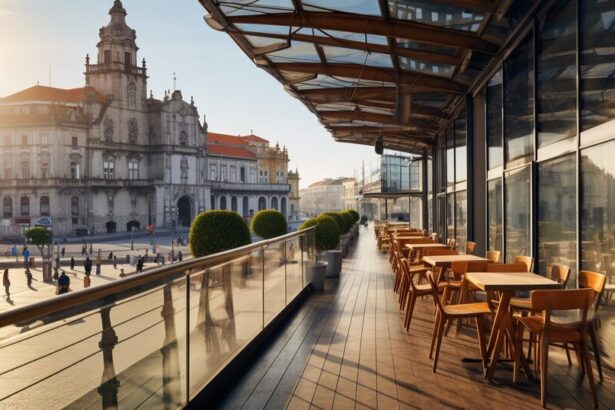
Porto landmarks and historic architecture in the city centre

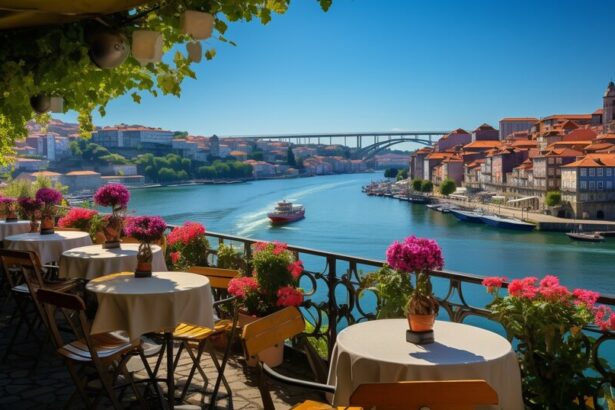
Porto architecture is not one clean style. It is stone churches, Baroque interiors, tiled stations, narrow streets, formal avenues, concrete housing, modern cultural buildings and small details you only notice when you slow down.

That is what I like about it. You can start the morning at the Sé, pass São Bento, walk through Aliados and end the day at Casa da Música or Serralves feeling like the city changed centuries without asking you.

Do not try to see everything in one day. Porto looks small on a map, but the hills make every route more honest.

Start with the old stone

The churches and old streets are where Porto shows its weight. The Sé is the best starting point because it gives you stone, views, history and the feeling that the city was built to defend itself as much as to impress anyone.

Look at the towers, the square, the cloister if you visit, and the way the building feels almost like a fortress. Then walk toward Clérigos and let the streets between them do some of the work.

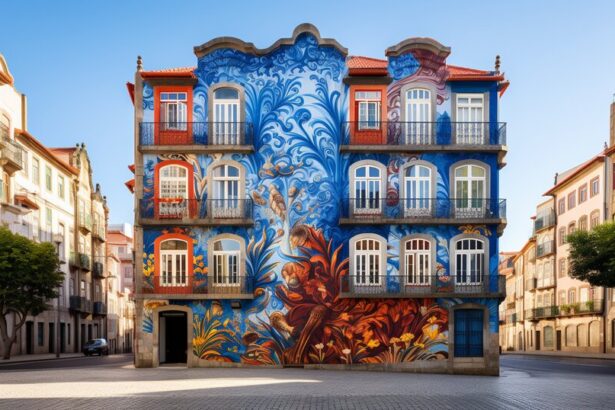
Architecture here is not only the famous buildings. It is also staircases, doorways, tiled facades, washing lines, granite walls and pavements that become very slippery after rain.

São Bento

São Bento station is useful even if you are not taking a train. The azulejo panels turn the entrance hall into something much more ceremonial than a normal station.

Go in, look properly, but remember it is a working station. People are commuting and catching trains while visitors stop for photos.

It works because it is practical and beautiful at the same time. Porto does that better than people expect.

Avenida dos Aliados

Avenida dos Aliados is Porto’s formal downtown face. City Hall at the top, stone facades, banks, offices and the feeling of a city presenting itself in public.

Walk it slowly and look up. A lot of the best detail is above shop level, where most people stop paying attention.

Aliados also helps you understand that Porto is not only medieval alleys and river views. It has a civic, commercial and early twentieth-century side too.

Casa da Música

Casa da Música is the obvious modern architecture stop in Porto. It was designed by Rem Koolhaas / OMA and opened in 2005 at Boavista.

Some people love the building immediately. Some people need time. Either way, it is worth seeing, especially if you are interested in how Porto changed beyond the old centre.

If you can, check the current concert programme or guided visits before going. The outside is useful, but the building makes more sense when you understand the interior spaces.

Serralves

Serralves gives you a very different kind of architecture day. You have the contemporary art museum by Álvaro Siza, the park, the villa and a lot more breathing room than in the centre.

Siza’s architecture there is quiet and controlled. It does not try to win the room by shouting. The museum, garden and villa work together, and that calm is part of the pleasure.

Give Serralves time. Check what exhibitions are on, but go partly for the buildings and park as well. Rushing it misses the point.

Casa da Arquitectura in Matosinhos

If you care about architecture beyond pretty facades, add Casa da Arquitectura in Matosinhos. It is not in central Porto, so I would combine it with Matosinhos Beach, lunch or a wider Matosinhos afternoon.

The institution runs exhibitions, archives, tours and events around architecture. Check the current programme first so you know what kind of visit you are making.

Matosinhos also gives you a different urban mood: wider streets, Atlantic air, fish restaurants and a less postcard version of the region.

A simple architecture day

  • Old Porto route: Sé, São Bento, Clérigos, Aliados and the old centre.
  • Modern route: Casa da Música, Serralves and Casa da Arquitectura if you have enough time.
  • Mixed route: Sé in the morning, São Bento and Aliados around lunch, Casa da Música in the afternoon.
  • Rainy-day route: São Bento, Casa da Música and Serralves Museum.

Small advice

Wear shoes that can handle stones and hills. Porto architecture is best seen on foot, and the pavements are part of the experience whether you like it or not.

Do not only chase famous names. Siza and Koolhaas matter, of course. But so do the tiles above a bakery, the stairs behind a church, the apartment blocks, the older shopfronts and the ordinary buildings that keep the city working.

My take

The best architecture walk in Porto is not too clean. It is old stone, blue tiles, civic avenues, modern concrete, damp corners, steep streets and a few views that make the climb feel worth it.

Start with the old centre, then give yourself at least one modern stop. Porto makes more sense when you see both sides.

You might be interested in …

Our Newsletter

Subscribe and receive exclusive invitations to events!