Dining in Porto did not become interesting only when tasting menus and wine bars arrived. It was already interesting. It was just more local, more repetitive, less photographed and less likely to have an English booking page.
The city still has tascas, bakeries, markets, seafood grills, family restaurants and daily lunches. Now it also has chef-led restaurants, wine bars, brunch cafes, craft beer, vegan menus, specialty coffee, tasting menus and much more international food.
Some of that change is good. Some of it is only expensive decoration. The trick is not to worship the old or chase the new. It is to eat with attention.
The old base
Traditional Porto dining is built on repetition: soup, bread, rice, potatoes, cod, pork, beef, fish, beans, pastries, coffee, wine and daily dishes that feed people who still have things to do after lunch.
This base still matters. A simple restaurant that cooks the same dish every week can be better than a decorated room trying to impress everyone at once. Food cooked often has an advantage. You can taste when a kitchen knows the dish without thinking too much.
Tascas and everyday restaurants
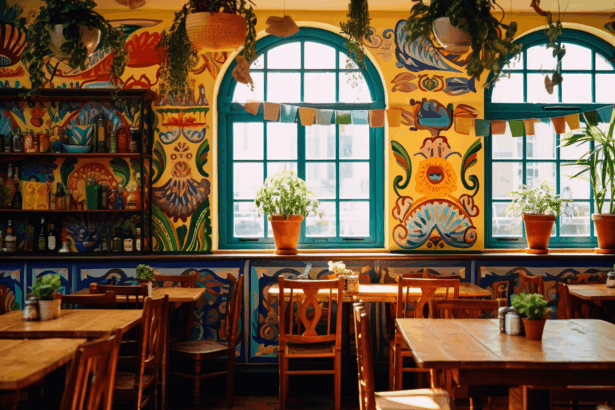
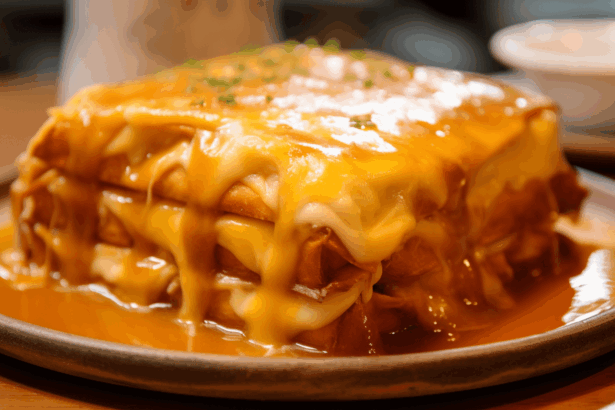
Tascas and simple restaurants are still where Porto makes a lot of sense: short menus, house wine, lunch plates, regular customers, workers eating quickly, and food that does not need a long explanation.
Not every old place is good. Age does not automatically mean quality. Some places survive because they are excellent; others survive because the location is easy. I look at what people are eating, how the room moves, and whether the food looks fresh and cared for.
Tourism changed the table
Tourism brought money, renovation, jobs, English menus, better wine bars, more variety and more ambition. It also brought copy-paste menus, higher prices in some areas, queues and dishes that look better online than they taste.
Ribeira is the easiest place to see this, but it happens elsewhere too. When foot traffic is guaranteed, some restaurants improve because there is more demand. Others get lazy because tomorrow brings another table of people who do not know what yesterday tasted like.
Wine bars and petiscos
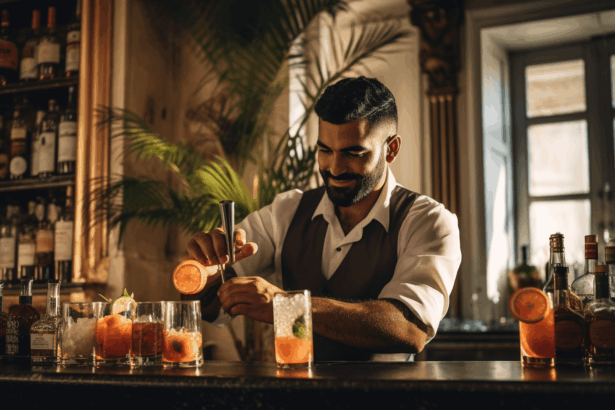
Wine bars changed how many people eat in Porto. Instead of one heavy dinner, you can share small plates, drink Portuguese wine, try cheese, tinned fish, cured meats, modern petiscos and regional products without committing to a full formal meal.
This can be excellent, especially when the wine list is thoughtful and the food has real substance. It can also become expensive snacking. I check prices, portion sizes and whether the place feels like it feeds people, not only sells a mood.
Modern Portuguese restaurants
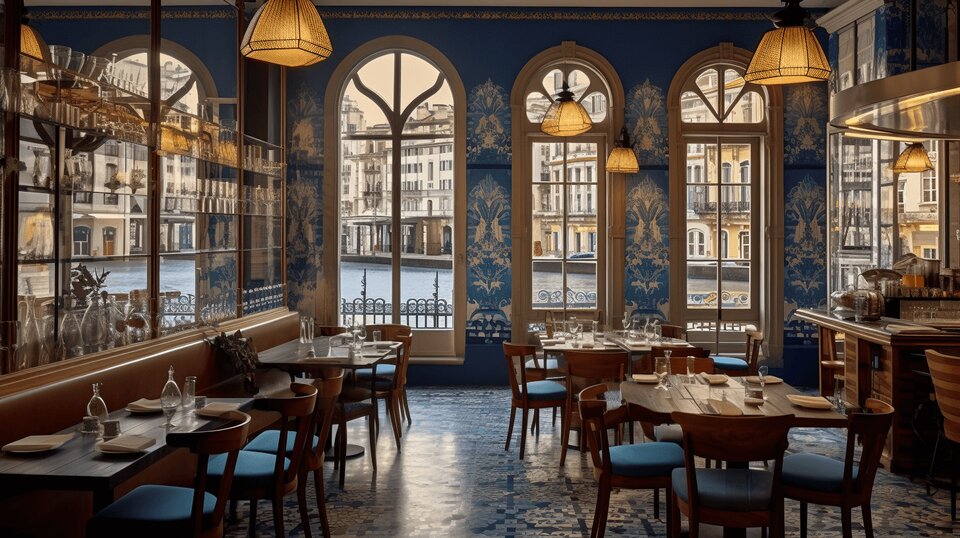
Modern Portuguese cooking in Porto can be very good when it respects ingredients and understands the old dishes without copying them lazily. Lighter cod dishes, cleaner seafood plates, seasonal vegetables, better desserts and good wine pairings can all make sense here.
The bad version is empty cleverness. If the food needs too much explanation before it becomes interesting, I start to worry.
International food
Porto now has far more international food than it used to: Japanese, Mexican, Thai, Italian, Indian, Brazilian, burgers, specialty coffee, vegan food and bakeries with more modern styles.
I think this is healthy for the city. People who live here do not want to eat the same classics every day. The only question is quality. Some international restaurants are excellent. Some are just a theme and a sauce. Choose with the same care you would use anywhere else.
Brunch and specialty coffee
Brunch, laptop cafes, sourdough, smoothie bowls and specialty coffee are now part of Porto too. Some places are genuinely good. Some feel like they were designed more for photos than breakfast.
There is room for both bakery breakfast and brunch. I still love a simple coffee and pastry in a normal cafe, but I also understand why people want good coffee, eggs and a table where they can sit longer. One does not cancel the other.
What still matters
- Fresh ingredients.
- Clear prices.
- Restaurants that know what they are trying to be.
- Food cooked often and with care.
- Staff who can explain without overselling.
- Places that serve residents, not only passing cameras.
How I would eat now
Mix old and new. Have a bakery breakfast, a traditional lunch, seafood in Matosinhos, a wine bar dinner, one modern Portuguese meal if the budget allows, a market stop, and coffee somewhere that cares about the cup.
That gives you Porto as it is now, not only the old version people imagine and not only the new version people post online.
My take
Porto dining changed because Porto changed. More visitors, more residents from elsewhere, more money, more pressure, more ambition, more variety and yes, more nonsense too.
The best move is to stay open but not gullible. A good tasca and a good modern restaurant can both tell you something true about the city. A bad one in either category is still just a bad meal.