If you’re buying jewellery in Porto, ask one question before you fall for the display: is this made here, or does it just look Portuguese? Both answers can be fine; they should not cost the same or be described the same way.
See the craft, not only the shop window
Ag Jewels at Rua do Infante D. Henrique 91 specializes in Portuguese filigree. The shop lists an artisan demonstration on Saturdays, but confirm it before building your day around it. Map
For contemporary jewellery and ceramics made in Porto, Tobe Atelier is at Rua do Rosário 50 and asks visitors to book an appointment. If you’d rather browse several studios, check the current Bombarda directory around Miguel Bombarda and Rosário; it is a working creative district, not one big craft market. Tobe Atelier map
Filigree: ask what you’re looking at
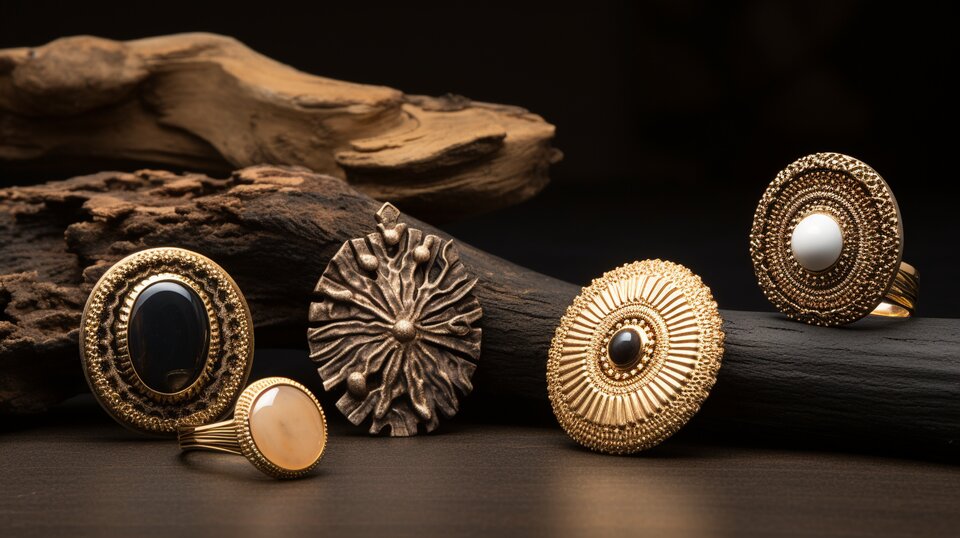
Traditional filigree uses fine threads of gold or silver shaped into delicate patterns; northern Portugal has a long association with the craft. Shops also sell newer pieces inspired by that look. I’m happy with either, but I want the label to tell me which it is. The Filigree Route is a good primer if you want the regional background.
If it’s sold as gold or silver
Ask whether the piece is solid precious metal, plated, or another metal with a similar colour. For a more expensive purchase, ask to see the Portuguese hallmark and keep the receipt. Contrastaria Portuguesa explains the official marks and fineness standards. If the answer is fuzzy, walk away; there are plenty of other windows in Porto.
My small-buying checklist
- Check clasps, hooks, joins and sharp edges before paying.
- Ask where it was made, who made it and what the material is.
- For ceramics, turn the piece over and check the finish and any hairline cracks.
- For leather, inspect the stitching and hardware rather than judging by colour.
- Buy something you would wear at home, not only something that matches the holiday.
A small piece from a maker whose work you’ve seen is a better souvenir than a bag full of vague “Porto style” trinkets. Take your time, ask plainly, and let the shopkeeper explain the work.