Last updated: 24 June 2026.
Porto is a good food city, but it is easy to eat badly if you only follow the busiest streets between São Bento, Ribeira and the Dom Luís I Bridge. The centre has excellent old restaurants, serious modern cooking, good bakeries and simple snack bars. It also has plenty of menus designed for tired visitors who will not come back.
I would start with the dishes that actually help you understand Porto: the heavy classics, the simple lunch food, the sweets, the fish towns nearby, and the neighbourhoods that change the kind of meal you end up having.
Where I Would Start
- First Porto dish: francesinha, if you want the city’s heavy, saucy, very Porto sandwich.
- Most local traditional dish: tripas à moda do Porto, better for curious eaters than cautious ones.
- Best easy seafood plan: go to Matosinhos rather than choosing fish from a tourist menu in Ribeira.
- Best food market start: Bolhão for a central, easy introduction.
- Best dessert strategy: do not eat only pastel de nata. Try pão de ló, leite creme, rabanadas in season and good bakery cakes.
- Best drink pairing: port in Gaia for context, vinho verde or Douro wines with food, coffee for daily rhythm.
How to Think About Eating in Porto
Porto food is not delicate in the way some visitors expect from a “romantic European city.” It can be rich, salty, grilled, saucy, slow-cooked and direct. The best meals are often simple: fish cooked over charcoal, soup before lunch, a sandwich at a counter, roast meat, cod, beans, a small coffee at the end.
The city also rewards neighbourhood choices. Baixa is convenient but uneven. Ribeira has views but a higher tourist-trap risk. Matosinhos is stronger for fish. Foz is calmer and better for a longer lunch by the sea. Cedofeita and Bonfim are useful for modern cafés, wine bars and less obvious dinner plans. Gaia is essential for port wine, but not every riverside restaurant is worth your meal budget.
Francesinha: Worth Trying, Not Worth Eating Every Day
The francesinha is Porto’s most famous dish for visitors: layers of meat and sausage in bread, covered with melted cheese and a tomato-beer-style sauce, often served with fries and sometimes a fried egg. It is heavy, messy and divisive. Some people love it immediately. Others finish half and decide they have understood the point.
Try it when you are actually hungry and do not schedule a big dinner afterwards. A good francesinha should have balanced sauce, properly melted cheese and fries that can survive the sauce. The worst versions are just salt, grease and a tourist queue.
Good for: first-time visitors, rainy days, beer lunches, groups who want a classic Porto meal.
Skip it if: you dislike rich sauces, processed meats or very heavy lunches.
For specific places, see best francesinha in Porto.
Tripas à Moda do Porto: The Dish Behind “Tripeiros”
People from Porto are often called tripeiros, and tripas à moda do Porto is part of that identity. It is a stew of tripe, beans, sausage and vegetables, usually served with rice. It is not a dish every visitor needs to order, but it is one of the most genuinely Porto things on a traditional menu.
If you are curious about food culture, try it at a place that serves old northern Portuguese cooking rather than a random tourist restaurant. If you already know you dislike tripe, do not force it just to tick a box. Porto has enough other dishes.
Good for: curious eaters, traditional lunch, colder days.
Skip it if: texture is a problem for you. Order a soup, cod dish or roast meat instead.
Bacalhau, Octopus and Grilled Fish
Cod appears all over Portugal, and Porto is no exception. You may see bacalhau à Gomes de Sá, bacalhau com broa, baked cod, fried cod cakes and cod with potatoes and greens. The quality depends heavily on the kitchen. A simple cod dish in a reliable restaurant is better than an overcomplicated version on a glossy menu.
For fish, the more useful move is often to leave the historic centre. Matosinhos is the obvious choice for grilled fish, seafood and restaurants where the meal can be combined with a beach walk. Foz is better when you want a calmer seafront setting and are willing to pay more for atmosphere.
Good plan: metro to Matosinhos, walk by the beach, then choose grilled fish or seafood nearby. This is usually more satisfying than picking fish from a crowded Ribeira menu.
Soups: A Quiet Strength of Portuguese Eating
Soup is one of the easiest ways to eat well in Porto without spending much. It is normal as a lunch starter, a light dinner, or a practical meal when you do not want another sandwich. Caldo verde is the famous one, with greens and potato, but simple vegetable soups, fish soups and bean soups can be just as useful.
Do not dismiss soup as filler. In traditional places, it often tells you more about the kitchen than a flashy main dish does. For more detail, see traditional Portuguese soups in Porto.
Quick Eats: Bifanas, Pregos, Cachorrinhos and Pastries
Not every Porto meal should be a reservation. Some of the most useful food is quick: a bifana, a prego, a cachorrinho, a croquete, a rissol, a bolinho de bacalhau or a simple plate at a snack bar. These are especially helpful when you are between attractions, arriving late, or trying to eat before a train.
A good quick-eats day might include coffee in the morning, a market snack at Bolhão, a cachorrinho or bifana for lunch, then a proper dinner in Cedofeita, Bonfim, Foz or Matosinhos. That is often better than forcing two heavy restaurant meals into one day.
For everyday options, I would look at Porto street food and quick eats and casual eating, food halls and food markets in Porto.
Markets and Food Halls: Useful, But Know What You Are Choosing
Mercado do Bolhão is the best central market for a first look at Porto food. It is polished after renovation and popular with visitors, but it is still useful for produce, snacks, shops, coffee and an easy food stop in Baixa.
Mercado Bom Sucesso is more useful if you are in Boavista or near Casa da Música. Time Out Market Porto is convenient by São Bento, especially for groups, but it is a curated food hall rather than a traditional local meal. None of these places should be your only Porto food experience, but they solve real travel problems.
The Porto food markets page compares Bolhão, Bom Sucesso, Beira-Rio and Matosinhos.
Desserts to Try Beyond Pastel de Nata
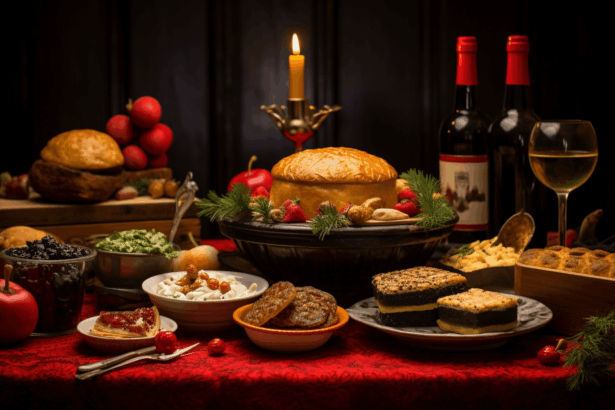
Pastel de nata is easy to find in Porto, but it is not the whole dessert story. Look for pão de ló, especially if you like soft sponge cakes with a slightly underbaked centre. Leite creme is Portugal’s custard dessert, usually finished with a burnt sugar top. Rabanadas are especially common around Christmas, and good bakeries often have regional cakes that change by season.
The useful rule is simple: buy from busy bakeries with steady turnover. A famous name is less important than freshness. A warm pastel de nata with crisp pastry beats a cold, tired one from a display case every time.
For more detail, read Portuguese desserts in Porto and pastel de nata in Porto.
What to Drink With Food in Porto
Port wine matters, but it is not what locals drink with every meal. For a proper introduction, visit a cellar in Vila Nova de Gaia and learn the difference between ruby, tawny, white port, LBV and vintage styles. With lunch or dinner, Douro reds, vinho verde, espumante and simple house wines may be more natural choices.
Coffee also matters. Ordering um café usually gets you a small espresso. A meia de leite is closer to a milky coffee, and a galão is taller and milkier. If you are working remotely or want a slower café, modern specialty coffee places are easier in Cedofeita, Bonfim and parts of Baixa than in the most tourist-heavy streets.
Continue with our guides to port wine tasting in Porto and Gaia and coffee in Porto.
Where to Eat by Neighbourhood
Baixa
Best for convenience, quick meals, bakeries, Bolhão, casual restaurants and first-night food. Also high risk for generic tourist menus, so check recent reviews and avoid places relying only on location.
Ribeira
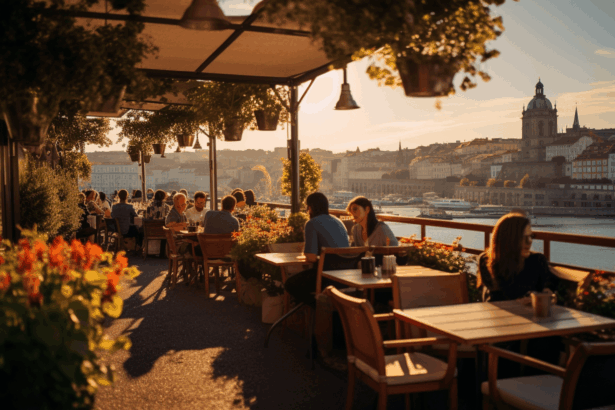
Best for views and atmosphere. Better for a drink or simple meal than for assuming every riverside restaurant is special. You pay for the location.
Vila Nova de Gaia
Best for port wine cellars and river views back toward Porto. Good for tastings, but compare restaurants carefully around the busiest riverfront areas.
Matosinhos
Best for grilled fish, seafood and a beach-food combination. Easy by metro, especially if you have half a day.
Foz
Best for slower lunches, sea air and less frantic meals. Often pricier, but useful when you want breathing room.
Cedofeita and Bonfim
Good for cafés, newer restaurants, wine bars and a less postcard-driven version of Porto. These areas are useful if you want to eat away from the tightest tourist route.
A Simple Two-Day Porto Food Plan
Day one: coffee and pastry in Baixa, Bolhão for a market stop, francesinha for lunch if you are hungry, then a lighter dinner or wine bar later.
Day two: soup or a quick snack for lunch, Matosinhos or Foz for fish and sea air, then dessert or port in Gaia depending on your route.
If you are visiting in warm weather, add what to eat in Porto in summer. Summer changes the rhythm: sardines, seafood, beach snacks, cold drinks and festival food become more important.
Common Mistakes to Avoid
- Eating every meal in Ribeira: the view is good, but the value is not always good.
- Ordering francesinha before a big dinner: it is heavier than it looks.
- Ignoring soup: it is often one of the best-value things on the menu.
- Assuming food halls are local secrets: they are convenient, not necessarily more authentic.
- Only eating pastel de nata: try other Portuguese desserts while you are here.
- Skipping Matosinhos: if you care about fish, it is worth the short trip.
My Take
For a first Porto food trip, keep it balanced. Try a francesinha, but do not make every meal heavy. Eat soup. Visit Bolhão. Leave the centre for fish if you can. Drink port in Gaia for context, but drink wine and coffee like normal parts of the day. And when a place looks like it could exist in any tourist city, walk one more street before sitting down.