Porto is not the easiest city if accessibility matters to you. I would rather say that clearly from the start.
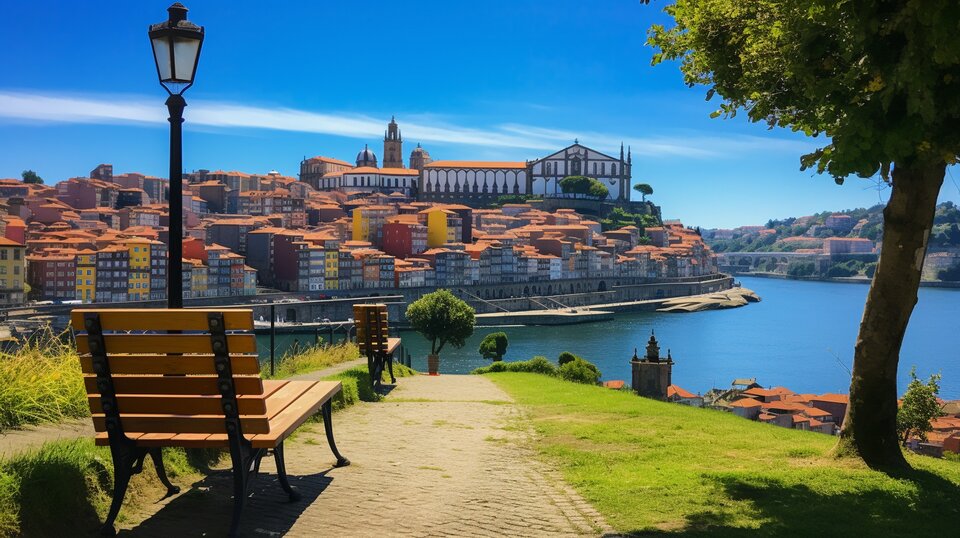
The city is beautiful, but it is also steep, old, uneven, full of stone pavements, narrow streets and sudden stairs. A route that looks short on a map can feel completely different once you are there. I have lived around Porto for years, including Gaia, Matosinhos and the centre, and I still check the slope before I tell someone a walk is easy.
That does not mean Porto is impossible. It means you need to choose the right base, plan fewer things per day, and be honest about the last 300 metres. In Porto, the last 300 metres can be the whole problem.
Start With The Hills
Distance is not enough information here. A 700-metre walk can be flat and simple, or it can include wet calçada, broken kerbs, parked cars on the pavement and a climb that ruins your afternoon.
If you use a wheelchair, have reduced mobility, travel with a pram, get tired easily, have joint pain, low vision, balance problems or breathing issues, check elevation before you choose a route. Google Maps walking times are useful, but they do not always explain how Porto feels under your feet.
Official Accessibility Material
The city has an official Accessible Porto project with accessible itineraries and tactile-map information. I would start there before planning historic-centre walks, especially if mobility, hearing, vision or fatigue are serious factors.
Still, I would also check the exact place you want to visit. A museum may be accessible, but the street outside may not be. A hotel may have a lift, but there may be steps before reception. Porto is improving, but old buildings and old streets do not become simple just because a website sounds confident.
Where Porto Is Usually Easier
Boavista is wider and more forgiving in many places. Matosinhos and Foz can work better for flatter walks by the sea, especially if you choose the right section. Gaia riverfront is manageable in parts, although the streets behind it climb quickly.
Newer hotels, shopping centres, modern museums and larger cultural spaces are often easier than small historic buildings. That is not always true, but it is a better starting bet.
Where Porto Gets Difficult
The old centre is the hard part: Ribeira, Sé, Miragaia, Vitória, the streets around Clérigos, and the routes between the cathedral and the river. They are some of the most beautiful parts of Porto, but they also bring slopes, steps, narrow pavements, crowds and uneven stone.
If access is important, I would not improvise Ribeira and Sé on a tired afternoon. Plan how you arrive, where you leave from, and what you will do if the route is too much. Sometimes the better decision is to see one area properly and skip the heroic version of the day.
Metro
The metro is often one of the better options, especially for the airport, Matosinhos, Boavista, Gaia and some cross-city routes. Metro do Porto’s accessibility page describes level boarding, lift access to underground platforms and ramps at surface stations. Treat that as a useful baseline, not a guarantee about today’s service: if a lift or ramp is essential, confirm the station before setting out. The pavement and kerbs at either end still matter.
That helps a lot, but it does not solve everything. The station may be fine and the street after the station may not be. If a lift is essential, check before travelling and give yourself more time than you think you need.
Buses
STCP buses can be useful, and the operator publishes accessibility rules for wheelchair users, prams and assistance dogs. The important detail is that the bus itself is only one part of the journey. The stop, kerb, traffic, parked cars and ramp condition all matter.
STCP also notes limits inside the bus, including that only one wheelchair or one open pram can travel per bus for safety reasons. If a ramp is broken, you may have to wait for the next bus. That is annoying, but it is better to know before relying on a tight schedule.
Taxis And Ride-Hailing
For steep routes, rain, late evenings or low-energy days, taxis and ride-hailing can be the most sensible choice. I would budget for them if access is important. It is not giving up. It is just choosing the version of Porto that lets you enjoy the day.
If you need a specific vehicle type, do not leave it to chance. Ask your hotel or accommodation host to help book, and be clear about the mobility aid, wheelchair size, luggage and whether the car needs to stop right at the door.
Hotels: Ask Exact Questions
Do not trust the word accessible on its own. Ask very boring questions, because boring questions save trips.
Is there step-free access from the street to reception?
Are there any steps between reception, the lift, the room, breakfast and the street?
How large is the lift?
Is the bathroom adapted, or just bigger than usual?
Is there a roll-in shower?
Can a taxi stop directly outside?
How steep is the street in front of the building?
Old Porto buildings can be lovely and still be completely wrong for your needs. Photos do not always show the entrance, and the entrance is often where the truth begins.
Airport Assistance
At Porto Airport, passengers with reduced mobility can use the MyWay assistance service. The airport says it should be requested through the airline or travel agent when booking, or up to 48 hours before the published departure time.
If you need airport help, arrange it early and keep the confirmation easy to find. Do not wait until you arrive tired at the terminal and hope someone guesses what you need.
Rain And Calçada
Rain makes Porto harder. Wet calçada can be slippery, slopes feel longer, and the old centre becomes less forgiving. If rain is forecast, reduce walking, choose indoor stops, and avoid steep descents when you can.
This matters even if you do not normally think of yourself as having access needs. Porto can tire people quickly, especially in winter.
How I Would Plan A Day
Choose fewer places than you want.
Group them by area.
Check slopes, not only distance.
Keep a taxi option for the return.
Book restaurants close to where you already are.
Contact important attractions directly if access would make or break the visit.
Leave space in the day for rest, bad weather and small changes.
My Honest Take
Porto can be rewarding for travellers with access needs, but it is not a city to pretend about. Some areas work well. Some areas are difficult. Some streets are beautiful and still not worth the fight.
The best plan is not the one that covers every famous corner. It is the one that lets you enjoy Porto without turning every hour into a negotiation with stone, slopes and stairs.