Last updated: 14 July 2026.
Porto has festive food all year, but it is not one fixed restaurant checklist. What people eat changes with the calendar: grilled sardines and caldo verde around São João, rabanadas and bolo-rei at Christmas, folar and sponge cake around Easter, roasted chestnuts when the weather turns, and simple sandwiches or market snacks whenever the city is busy outside.
The useful way to plan is to match the food to the season. If you visit in June, chase the street-party mood. If you visit in December, look for bakeries and family-style restaurants. If you are here on a normal weekend, do not force a fake festival meal; eat the dishes Porto does well every week.
What I Would Look For
- For São João, think sardines, caldo verde, bifanas, beer and a late walk rather than a formal dinner.
- For Christmas, bakeries matter as much as restaurants: rabanadas, bolo-rei and sonhos are the things to look for.
- For Easter, ask bakeries about folar and look for pão de ló if you want something traditional and easy to share.
- For wine, cross to Gaia for Port or choose a proper wine bar instead of ordering an expensive bottle blind on the riverfront.
- If the menu looks like it was written for every tourist in every season, keep walking.
São João: the night Porto really turns festive
São João is Porto’s biggest night, celebrated from 23 June into the early hours of 24 June. The food is simple because the night is not built around sitting still. Grilled sardines, caldo verde, bifanas, chourico bread, beer and plastic cups of wine all make more sense than a long tasting menu.
If you want the proper Porto version, eat early, then walk. Ribeira and Gaia get packed, so do not plan the evening like a normal restaurant booking. Check São João in Porto before choosing where to stand for fireworks.
Christmas: bakeries, cod and winter sweets
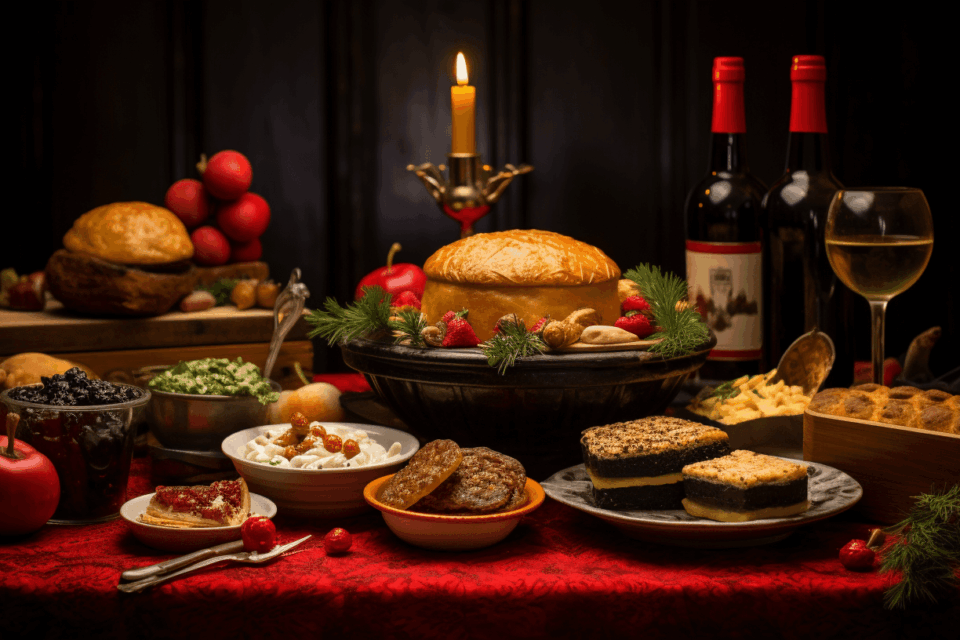
Christmas food in Porto is more home-table than restaurant theatre. Bacalhau com todos, octopus in some families, roasted potatoes, cabbage, olive oil and plenty of sweets are the centre of it. For visitors, the easiest win is a good bakery: rabanadas, sonhos, aletria, bolo-rei and sometimes pão de ló.
Restaurants may offer seasonal menus, but you should check the current menu before booking. Many places close for family days or run special sittings. The Christmas food in Porto page has more detail.
Easter: folar, lamb and sponge cake
Easter is quieter for visitors than São João, but it is still a good food moment if you know what to ask for. Look for folar in bakeries, seasonal sponge cakes, and family-style lunches with roast meat or cod. Pão de ló is especially useful if you want something traditional to take to an apartment or share after dinner.
If you are curious about the dessert itself, I would start with pão de ló in Porto. That explains why one sponge cake can be dry, soft, rich or almost custardy depending on the version.
Where to Look for Festive Food
- Mercado do Bolhão: good for seeing what is seasonal, buying fruit, cheese, sweets and casual snacks. Check the Mercado do Bolhão page.
- Neighbourhood tascas: better for prato do dia, soups, cod and simple seasonal dishes than polished tourist menus.
- Bakeries: essential at Christmas and Easter. Ask what is fresh that day instead of chasing one famous name across the city.
- Gaia cellars and wine bars: useful when the festive drink is Port or Douro wine, not another cocktail in a crowded square.
- Matosinhos: a strong choice when the festive meal should be grilled fish rather than heavy meat.
What to Drink
For São João, keep it simple: beer, vinho verde, house wine or a low-pressure bar after the fireworks. For winter meals, Port works better with dessert than with the whole dinner. Tawny Port with nuts, dried fruit or rabanadas is easier than trying to pair one bottle with everything.
If you want to learn the difference between ruby, tawny, LBV and vintage styles, read about Port wine tasting before booking a cellar visit.
What I Would Skip
I would be careful with any menu selling “traditional festive Portuguese food” every month of the year. A proper seasonal dish should make sense for the date. I would also avoid planning São João around a formal riverside dinner unless you are happy paying for the view and giving up flexibility.
Porto’s festive food is best when it feels ordinary to the people cooking it: a bakery tray in December, grilled sardines in June, soup on a cold lunch, or a glass of Port after dinner. Chase that, not a laminated “must-try” menu.
A Simple Plan
If you are here in June, check São João plans, eat early, then walk. If you are here in winter, use bakeries in the morning and book a traditional restaurant for lunch rather than dinner. If you are here at Easter, look for folar and pão de ló. If you are here outside a holiday, use the broader what to eat in Porto page and let the season decide the details.