Last updated: 15 July 2026.
Food and wine pairing in Porto does not need to become a séance with a sommelier. You are not defusing a bomb. You are eating. The useful question is simple: is the dish salty, fatty, grilled, saucy, sweet, or trying to kill you with cheese?
Northern Portugal gives you good tools: Vinho Verde for freshness, Douro whites for fish and richer seafood, Douro reds for meat, Bairrada or Portuguese sparkling for fried food, and Port when dessert or cheese enters the room looking guilty.
I would keep it practical. You do not need to become fluent in Portuguese wine, but it helps to avoid pairing a huge oaky red with grilled sardines and wondering why dinner suddenly tastes like a furniture showroom.
Quick Pairing Rules
- Fat and salt like acidity: Vinho Verde, sparkling wine, crisp whites.
- Grilled fish likes freshness: Vinho Verde, Douro white, coastal-style Portuguese whites.
- Tomato, garlic and olive oil can handle more body: fuller whites or light reds.
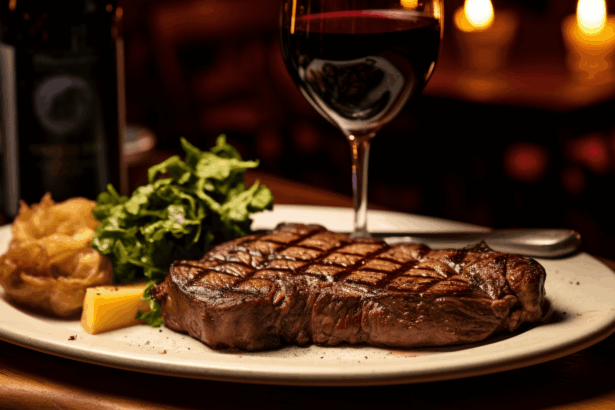
- Heavy meat wants structure: Douro red, Dão red, Bairrada red.
- Cheese can go red or Port: depends whether it is fresh, cured, salty or creamy.
- Sweet desserts need sweet wine: dry wine with dessert is how joy gets mugged.
- Port is not only dessert: white Port and tonic works before food; tawny works after.
Francesinha
Drink: beer, sparkling wine, Vinho Verde, or an acidic red.
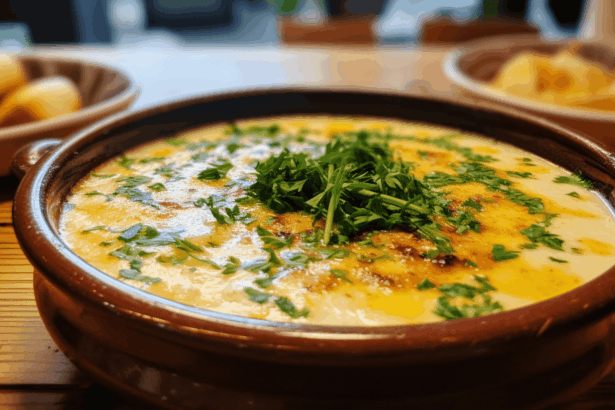
Francesinha is bread, meat, sausage, cheese, egg if you are feeling theatrical, and sauce with enough personality to run for office. Do not throw a massive Douro red at it unless you enjoy conflict. The sauce and cheese need freshness. Beer works because it cuts through the fat and asks no stupid questions. Sparkling wine works better than people expect. Vinho Verde can also do the job.
If you insist on red, choose something with acidity rather than a heavy bottle that wants its own armchair.
Grilled Fish
Drink: Vinho Verde, Loureiro, Alvarinho, Douro white, simple sparkling.
For grilled fish, keep it clean. Vinho Verde is the easy answer, especially with salt, lemon and olive oil. Alvarinho gives you more weight. Loureiro can be brighter and aromatic. Douro whites work when the fish is richer or the plate has potatoes, vegetables and more olive oil.
Do not overthink grilled fish. The whole point is that the fish tastes like fish, not like someone’s wine education project.
Sardines
Drink: Vinho Verde, crisp white, rosé, cold beer.
Sardines are oily, salty and glorious when they are good. They need refreshment, not seriousness. Vinho Verde is the natural friend. A crisp white or dry rosé also works. Cold beer is perfectly respectable here, despite what a wine snob with linen trousers may whisper in your nightmares.
For seasonal eating, check summer food in Porto.
Seafood and Shellfish
Drink: Alvarinho, Vinho Verde, sparkling wine, mineral whites.
Shellfish wants brightness. Alvarinho is excellent when you want more body than a basic Vinho Verde. Sparkling wine is good with salty seafood and anything fried. For seafood rice, go slightly fuller because the dish is richer and usually has tomato, stock and enough flavour to make a shy wine disappear into the wallpaper.
For Matosinhos and Afurada seafood ideas, check beachside eating.
Bacalhau
Drink: depends on the preparation: Vinho Verde, Douro white, light red, sometimes sparkling.
Bacalhau is not one dish. It is a whole national operating system. Bacalhau à Brás with egg and potato likes a white with acidity or sparkling wine. Bacalhau à Gomes de Sá can handle a fuller white. Bacalhau roasted with olive oil, garlic and potatoes can take a light red or a structured white.
The rule: match the preparation, not the word bacalhau. Salted cod is just the beginning of the negotiation.
Octopus
Drink: Douro white, textured Vinho Verde, light red.
Polvo à lagareiro, with olive oil, garlic and potatoes, is richer than people expect. A fuller Douro white works well. So does a textured Alvarinho or a light red if the octopus is grilled or roasted enough to bring smoky edges. Avoid fragile whites that collapse under garlic and olive oil like a tourist on Rua da Restauração.
Tripas, Cozido and Heavier Meat Dishes
Drink: Douro red, Dão red, Bairrada red.
Heavier northern dishes need structure. Douro reds are the obvious local answer, especially with roasted meat, stews and dishes with sausage or richer sauces. Dão reds can be a little fresher and more elegant. Bairrada reds bring acidity and grip, useful when the dish is fatty and stubborn.
Do not chase the biggest bottle on the list just because the dish is heavy. Big plus big can become a shouting match.
Alheira and Fried Snacks
Drink: sparkling wine, Vinho Verde, crisp white, beer.
Fried food wants bubbles or acidity. Alheira, bolinhos de bacalhau, rissóis and other snacks work beautifully with sparkling wine, Vinho Verde or beer. This is not a compromise. This is physics doing you a favour.
If the snack is salty and fried, do not bring a soft, warm red into the situation. That is how sadness gets poured by the glass.
Cheese
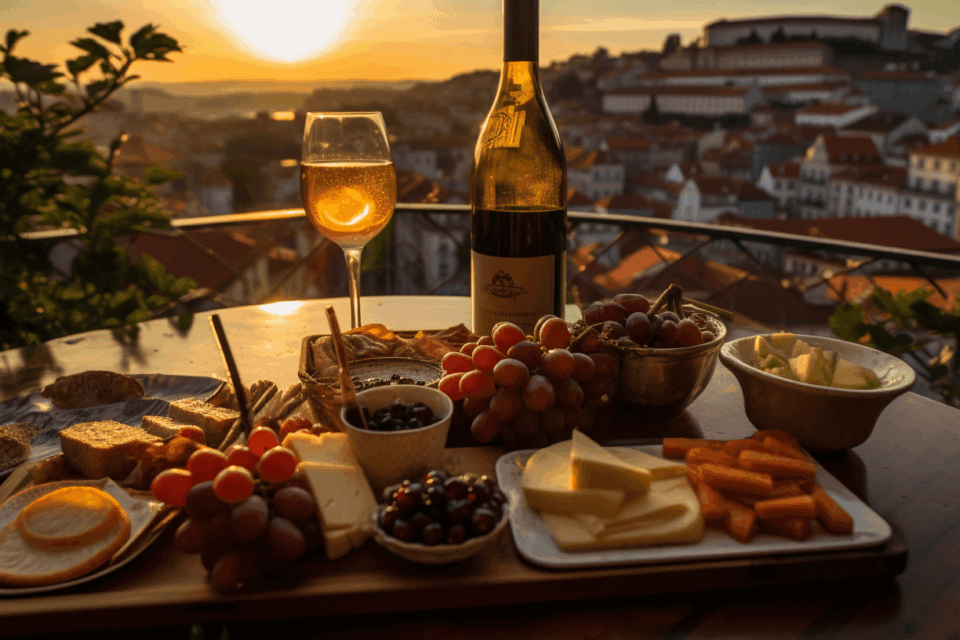
Drink: Douro red, Dão red, tawny Port, white Port depending on the cheese.
Fresh cheese is better with white wine. Cured sheep or goat cheese can work with red. Stronger, saltier cheese often loves tawny Port, especially when nuts appear on the table and everyone starts pretending they planned moderation.
With Serra-style cheese or creamy cheeses, try a white with texture, a lighter red, or tawny Port if you want the after-dinner move.
Desserts
Drink: tawny Port, ruby Port, LBV, Moscatel, espresso if you have surrendered.
Sweet food needs a drink that can stand up to sweetness. Pastel de nata works better with tawny Port than with dry red wine. Chocolate desserts can take ruby Port or LBV. Nutty, caramel or egg-based desserts like tawny Port. Moscatel also works with many Portuguese sweets, though Porto will obviously try to sell you Port first because Porto is Porto and subtlety is for other cities.
For the pastry side, check pastel de nata.
Port Wine: When to Drink Which Style
- White Port: aperitif, often with tonic, before dinner.
- Ruby Port: fruitier, good with chocolate or berry desserts.
- LBV: richer ruby style, good with chocolate, blue cheese and heavier desserts.
- Tawny Port: nuts, caramel, egg sweets, cheese, slow endings.
- Vintage Port: serious bottle, not something to order randomly because the word sounds expensive.
For cellars and tasting basics, check Port wine in Porto.
Where to Practice Without Looking Like a Lunatic
Wine bars are the easiest place to learn because you can ask for a glass and talk through food without committing to a whole bottle. Prova, Bacchus Vini, Capela Incomum and Genuíno are useful names to know. Vinum in Gaia works when wine is central to the whole meal.
For more places, check best wine bars in Porto. For dinner choices, check best restaurants in Porto.
Common Mistakes
- Ordering the heaviest Douro red with every Portuguese dish.
- Forgetting that fried food loves bubbles.
- Pairing sweet desserts with dry wine.
- Ignoring sauce. Sauce often matters more than the main ingredient.
- Assuming Port only belongs at the end of the night.
- Letting the pairing become more important than the conversation. Nobody likes that person. Even that person, secretly.
My take
For food and wine pairing in Porto, keep it practical. Vinho Verde and crisp whites for fish, seafood and salt. Sparkling wine or beer for fried food and francesinha. Douro or Dão reds for meat. Tawny Port for cheese, nuts and eggy desserts. Ruby or LBV for chocolate. If the pairing refreshes the food or makes the next bite better, it is working. If it makes dinner feel like homework, send it back to school.