Last updated: 23 June 2026.
Pastel de nata is not from Porto, but you will see it everywhere in the city. That is fine. You do not need to be in Lisbon to enjoy a good nata. You do need to avoid the sad ones: cold, soft pastry, dull custard and a display case that looks like it has not moved all day.
I would keep it simple: where to look in Porto, how to judge freshness, and how to order without turning a small pastry into a research project.
What I would know first
- Best sign: warm tarts coming out regularly.
- Good pastry: crisp, flaky, not soggy.
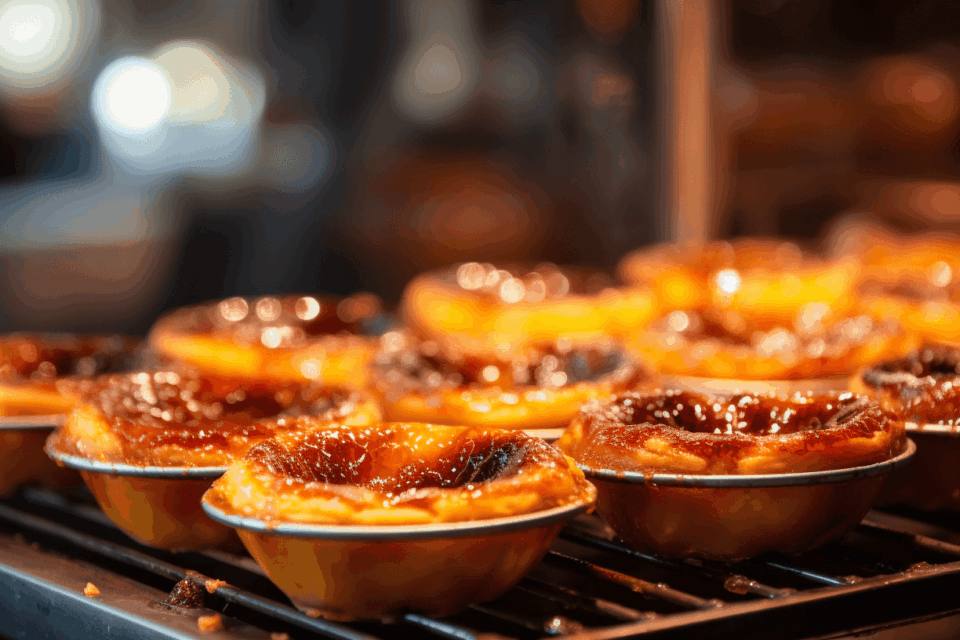
- Good custard: creamy, lightly blistered, not rubbery.
- Best time: morning or mid-afternoon when turnover is high.
- Good central names to check: Manteigaria, Fábrica da Nata, Nata Lisboa and Castro.
- Tourist-trap risk: high when the tart is cold and the shop is mostly selling pretty boxes.
What makes a good pastel de nata?
A good nata is about contrast. The pastry should shatter a little when you bite it. The custard should be soft and rich, with a browned top that tastes gently caramelised rather than burnt. It should be small enough to eat in a few bites and good enough that you consider ordering a second.
Freshness matters more than brand. A warm nata from a busy ordinary bakery can beat a famous-name tart that has sat too long. If you can see trays moving from oven to counter, that is usually a good sign.
Where to try pastel de nata in Porto
Manteigaria
Manteigaria is one of the easiest names for visitors because the format is clear and turnover is usually high. It is not Porto-specific, but it is reliable for a first nata in the city.
Useful link: Manteigaria Porto on Google Maps.
Fábrica da Nata
Fábrica da Nata is another visitor-friendly option. It works well if you want a straightforward nata stop while walking through the centre. Check the current location and hours before going.
Useful link: Fábrica da Nata Porto on Google Maps.
Nata Lisboa
Nata Lisboa is a chain format, useful when you want predictability. It may not feel like a hidden local bakery, but that is not always the goal. Sometimes you just want a warm tart and coffee without guessing.
Useful link: Nata Lisboa Porto on Google Maps.
Castro
Castro Atelier de Pastéis de Nata is another Porto option visitors often compare with the bigger names. Use recent photos and hours before going, because opening times and locations can change.
Useful link: Castro Atelier de Pastéis de Nata on Google Maps.
Should you add cinnamon?
Cinnamon is common, but not required. Try the first bite plain so you can taste the custard and pastry. Then add cinnamon if you like it. Powdered sugar is also common, but it can hide a mediocre tart.
What to drink with it
A small espresso, “um café,” is the classic pairing. If you want milk, order a meia de leite or galão. Nata plus coffee is one of the simplest good breaks in Porto: quick, cheap, and easy to fit between sightseeing stops.
If you are still learning coffee orders, check coffee in Porto.
Where not to buy one
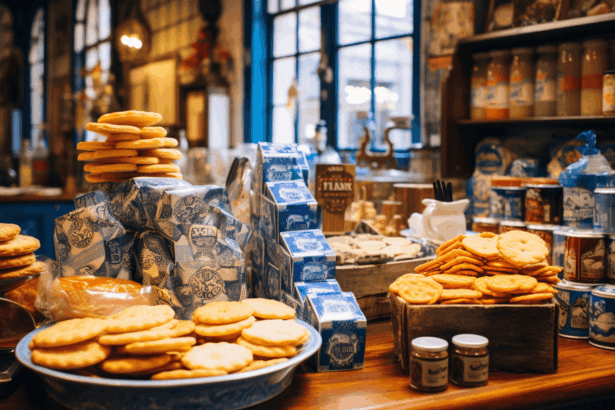
Be careful with shops where the nata looks pale, cold, soft or forgotten. Also be careful with souvenir-first shops where the display is more about packaging than baking. Pretty boxes are fine for gifts, but they are not proof of freshness.
At restaurants, nata is not always the best dessert choice. It may be reheated or bought in. If you want a nata, go to a bakery or a nata-focused shop.
Is pastel de nata a Porto dessert?
Not really. It is Portuguese, and Porto eats it happily, but it is historically associated with Lisbon and Belém. That does not mean you should skip it in Porto. It just means you should not treat it as the city’s only sweet.
For other sweets, check Portuguese desserts in Porto.
Common mistakes
- Buying from a dead display case: freshness matters.
- Judging only by Instagram looks: crisp pastry matters more than a perfect photo.
- Adding cinnamon before tasting: try it plain first.
- Carrying natas around all day: they are best eaten soon.
- Assuming the most famous shop is always best: the best tart is often the freshest one nearby.
My take
In Porto, eat pastel de nata fresh and warm, preferably with coffee. Manteigaria, Fábrica da Nata, Nata Lisboa and Castro are easy central names to compare, but the real rule is simpler: follow turnover, avoid tired pastry, and do not save a cream tart for later if you can eat it now.