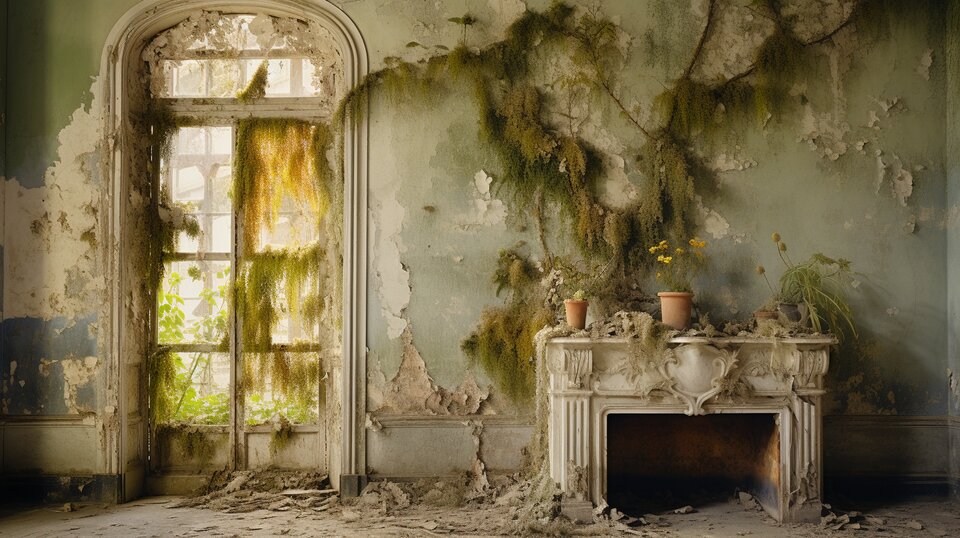
Porto apartments can be beautiful: tiles, balconies, old wood, high ceilings, good light. Then winter comes and you realise the pretty flat also has cold walls, weak ventilation and a bedroom corner that always feels a bit wet.
Damp is common here, especially in older buildings and places close to the sea or river. Common does not mean you should ignore it. Some condensation is manageable. Active leaks, strong mould smell, wet plaster and a landlord who waves it away are a different story.
If you are renting long term, check for damp before you sign. It is much easier to walk away from a bad viewing than to spend a winter arguing about a wall.
Use your nose first
Damp often has a smell before you see anything. Musty, closed, wet-cloth, old cupboard smell. If a place has been heavily perfumed before the viewing, I also take that as information.
Pay attention when you enter bedrooms, built-in wardrobes, bathrooms, ground-floor rooms and back rooms with little sun. If the air feels stale even with windows open, ask why.
Check the hidden places
Do not only stand in the middle of the living room. Damp likes the places people skip during viewings.
- Behind curtains.
- Inside wardrobes and cupboards.
- Behind beds, sofas and large furniture if you can look.
- Corners of outside walls.
- Ceilings below terraces, bathrooms or roofs.
- Window frames and sills.
- Bathroom ceilings and grout.
- Kitchen corners near pipes.
- Storage rooms and garages.
If furniture is pushed tight against a cold external wall, look behind it. That is one of the classic places.
Fresh paint can hide a problem
Fresh paint is not always bad. Sometimes the landlord simply prepared the apartment properly.
But if one wall or one corner is freshly painted and everything else is old, ask what happened. Look for bubbling paint, peeling, powdery plaster, stains, tide marks, swollen skirting boards and patches that look too new.
A wall painted last week can look fine in July and tell the truth again in November.
Windows matter a lot
Single glazing, poor seals and cold frames can make condensation much worse. Check whether windows close properly, whether shutters work, and whether the room can get cross-ventilation.
Look at the black silicone or corners around the frame. Small spots around windows can be from condensation. Bigger stains, swollen wood or water marks may point to something else.
If you work from home, this matters. Sitting every day in a cold damp room is not just uncomfortable; it can affect how you feel all winter.
Condensation or water coming in?
Try to understand the cause. Damp can come from different things:
- Condensation from cooking, showers, drying clothes and poor ventilation.
- Cold walls and weak insulation.
- Roof or terrace leaks.
- Leaks from the neighbour above.
- Pipe leaks inside walls.
- Ground-floor or basement moisture.
- Blocked gutters or outside drainage problems.
A dehumidifier can help with humidity. It will not fix a roof leak or water coming through a wall.
Ask direct questions
I would ask the landlord or agent:
- Has there been mould here before?
- Has there been water infiltration from the roof, terrace, neighbour or pipes?
- When was it repaired?
- Who repaired it?
- Does the bathroom have extraction?
- Can clothes be dried outside or in a ventilated area?
- Are there any building works planned?
- Was the apartment painted recently, and why?
The answer matters, but the way they answer matters too. If every concern is dismissed as “just open the window”, be careful.
Ventilation is part of living here
DGS recommends ventilating the home at least 10 minutes per day, and also while cooking, cleaning, drying clothes indoors and during or after showers.
That is normal maintenance, especially in older Portuguese homes. Open windows when you can, use bathroom fans, avoid drying laundry in closed rooms, and use heating and dehumidifiers sensibly.
But do not let anyone use ventilation as the answer to everything. A wet ceiling after rain is not a lifestyle choice. It is a repair issue.
Health matters
CDC says mould can look like spots in different colours and can smell musty. It also says mould growth means there is a moisture problem that needs fixing.
For some people, mould exposure can cause stuffy nose, sore throat, coughing, wheezing, burning eyes or skin rash. People with asthma, mould allergies, chronic lung disease or weakened immune systems need to be especially careful.
If you already know damp affects your health, do not talk yourself into a bad apartment because the rent is slightly better or the balcony is nice.
Do not rely on mould tests
People sometimes think they need a mould test before taking the problem seriously. CDC says you do not need to know the type of mould; if it is growing in the home, remove it and fix the moisture problem.
NIOSH also says visual inspection and musty odours are often more useful than routine air sampling for damp and mould evaluations.
For renting, that is useful: if you can see it or smell it, treat it as real.
Photos and move-in records
If you still decide to rent a place with marks, photograph everything before you move in. Walls, ceilings, wardrobes, windows, bathroom grout, inside cupboards, meter rooms, balconies and any stains.
Send the photos in writing or add them to the move-in condition record if there is one. Keep dates. Otherwise, months later, an old damp patch can suddenly become your responsibility in the story.
When I would walk away
- Strong mould smell in bedrooms.
- Visible mould across walls or ceilings.
- Wet plaster or active leaks.
- Fresh paint clearly hiding repeated damage.
- No bathroom ventilation.
- A landlord who refuses to answer direct questions.
- Evidence of roof, terrace or neighbour leaks with no proper repair.
- You have asthma, allergies or children and the problem is obvious.
There are plenty of imperfect apartments in Porto. Imperfect is normal. Damp that nobody wants to fix is different.
My final check
Visit in daylight. Smell every room. Open cupboards. Look behind furniture where possible. Check windows and bathroom ceilings. Ask about winter. Photograph marks. Get promises in writing.
A nice apartment is still nice if it survives the boring questions. If it does not, better to know before your deposit is gone.
Useful pages to check: DGS indoor-air recommendations, DGS adverse-weather advice, CDC mould and health, and NIOSH mould testing and remediation.