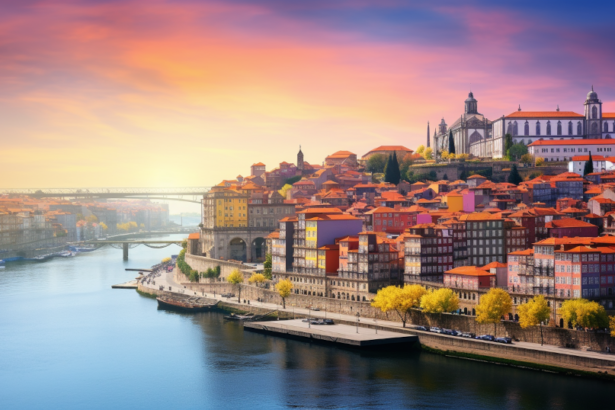
Rural Portugal can look very tempting from a distance. Stone houses, land, quiet mornings, fruit trees, space, no upstairs neighbour, no city noise. I understand the appeal.
Porto has the opposite appeal. It is busier, more expensive, tighter and sometimes noisy, but it gives you transport, hospitals, shops, schools, cafes, services, tradespeople, social life and fewer daily things that need a car.
I do not think one is better. The real question is which problems you prefer.
Do not choose from photos
Photos are dangerous when you are planning a move. A village house in July can look like the answer to everything. A central Porto flat can look romantic for a weekend. Neither photo shows February, admin, repairs, internet problems, school runs or medical appointments.
Choose based on normal life. What happens on a rainy Tuesday when you need groceries, a pharmacy, a plumber, a quiet place to work and maybe a doctor?
Porto gives you services
Porto is easier for daily services. You have metro, buses, trains, taxis, hospitals, clinics, pharmacies, shops, banks, government offices, coworking spaces, restaurants, deliveries and many things within reach.
You may still complain about queues, prices and slow replies. That is fair. But usually the service exists nearby. In rural areas, the thing you need may be in the next town, open limited hours, or not available without driving.
Rural life gives you space
Space is powerful. A garden, land, storage, privacy, quiet, room for projects and a slower rhythm can change your life in a good way.
But space also needs work. Land clearing, walls, roofs, heating, damp, access roads, water systems, septic systems, internet, repairs and local rules all become part of the lifestyle. Rural peace is not the same as no responsibility.
You probably need a car outside Porto
In Porto, you can live without a car if you choose the area carefully. Outside the city, especially inland or in smaller villages, a car often becomes part of daily life.
That means licence rules, insurance, fuel, maintenance, inspections, parking and the cost of every errand that is not nearby. If you hate driving, be honest about this before choosing a place because it looked peaceful.
Internet is not a small detail
If you work remotely, check internet properly before renting or buying. Do not accept “the internet is good” as an answer. Ask about fibre, providers, real speeds, mobile backup, outages and installation timing.
In Porto, this is usually easier to solve. In rural areas, it may still be fine, but you need to check it like your income depends on it. Because maybe it does.
Property can be cheaper, until repairs begin
Rural property can look cheaper than city property. Sometimes it is. But old houses can bring renovation costs, legal checks, boundaries, licences, roofs, insulation, heating, septic systems and access problems.
Do not buy only because the asking price feels low compared with Porto. A low price can still become expensive if the building needs more work than you understand.
Community feels different
Porto gives you more chances to meet people quickly: work, classes, cafes, events, neighbours, language exchanges, schools and daily routines. You can build a life without everyone knowing your business.
Smaller places can be warmer once you are part of them, but it may take longer. Portuguese matters more. Local habits matter more. How you behave is more visible.
If you move to a small place, listen first. Buy locally. Learn names slowly. Try Portuguese even when it sounds messy. Do not treat the place like scenery for a new version of yourself.
Healthcare and schools can decide it
If you need regular healthcare, specialists, mental health care, mobility support, pharmacies, therapy, schools or universities, Porto or a nearby urban area may be much easier.
Rural life can still work, but travel time becomes part of the cost. A beautiful house is less useful if every appointment or school run becomes a long drive.
Fire, water and winter matter
Rural areas can bring summer fire risk, water questions, land management and winter heating problems. Porto has damp too, but rural properties often add more systems you personally need to understand.
If you are looking inland or near forested areas, check IPMA fire danger, ANEPC alerts and local land-clearance rules. If you are looking at an older house, check heating, ventilation, roof condition and damp before falling in love with it.
Choose Porto if
- You want transport and services nearby.
- You need hospitals, clinics, schools or social options.
- You dislike driving every day.
- You work locally or need networking.
- You want restaurants, culture and quick errands.
- You are still learning Portuguese and want an easier start.
Choose rural Portugal if
- You genuinely want space and the work that comes with it.
- You can drive and are comfortable owning a car.
- Your income does not depend on local city jobs.
- You can handle slower services.
- You speak Portuguese or are serious about learning.
- You value quiet and land more than convenience.
Rent before buying if you can
If you are unsure, rent first. Try winter, not only summer. Drive the commute. Shop locally. Check the internet. Meet neighbours. Price repairs. See how often you miss the city.
Buying straight away can work, but it gives you less room to learn. A few months in a place teaches more than many online arguments.
My take
Porto is easier. Rural Portugal can be deeper and calmer, but it asks more from you. Porto gives you convenience with noise and cost. Rural life gives you space with responsibility.
Choose the inconvenience you can live with. That sounds negative, but it is actually a good way to make the decision honestly.