Portugal looks small on a map, but daily life changes a lot depending on where you live. Porto, Lisbon, Braga, Aveiro, Coimbra, the coast, commuter towns, rural villages, the Algarve and the islands can all be good choices for different people.
I would not start with “best places to live.” Best for who? A remote worker without a car, a family with school needs, a retiree who wants healthcare nearby, someone who wants land, or someone who needs airport access every month will not all choose the same place.
The better question is: what kind of normal week do you need?
Start with your ordinary week
Before choosing a place, write down what has to work on a normal Tuesday, not on a perfect holiday day.
- Work or remote-work setup.
- Schools or childcare.
- Healthcare and pharmacies.
- Public transport or daily driving.
- Groceries and errands.
- Social life.
- Portuguese level.
- Pets.
- Budget.
- Noise, quiet, hills, weather and maintenance.
The right place is usually the one that supports the boring week. Holidays are easier. Normal life is the real test.
Porto
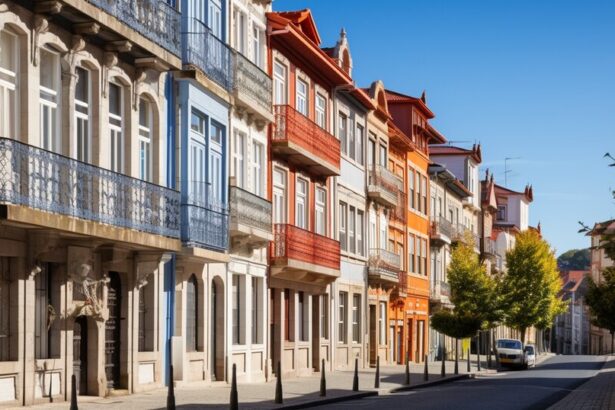
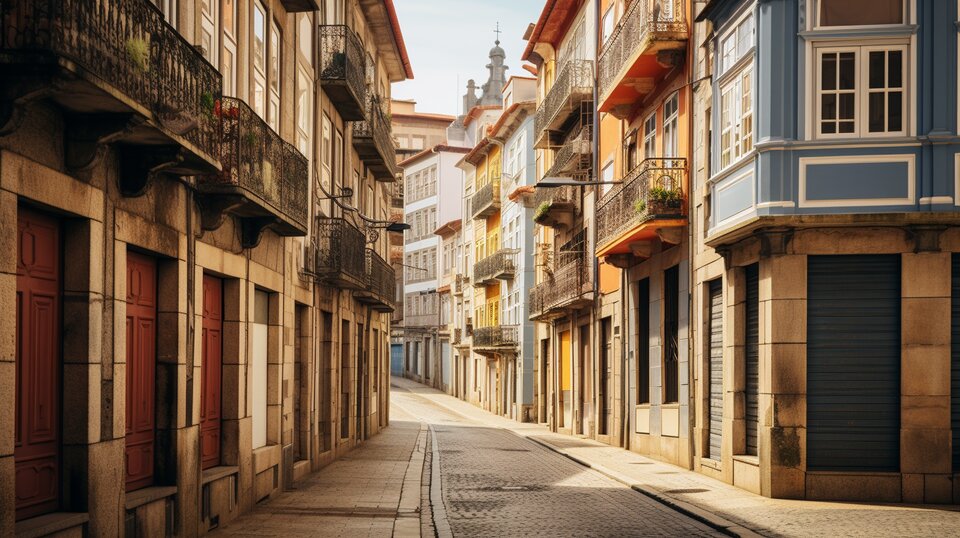
Porto is a good first landing place for many people. You have an airport, metro, trains, hospitals, universities, restaurants, cafes, culture, language schools, international residents and real neighbourhoods. It feels like a city, but not on the same scale as Lisbon.
The tradeoffs are real. Rent is higher than people expect, winter can be damp, many areas are hilly, and housing pressure is serious. Some central streets also feel very shaped by tourism now.
I still think Porto makes sense if you want city life, decent connections and a softer landing than a smaller place where you may need stronger Portuguese from day one.
Lisbon
Lisbon has more jobs in some sectors, more international companies, more embassies, more events and a bigger airport. For certain careers, it may be the practical choice.
It is also more expensive, busier and, for many people, more tiring. If you want a larger international city, Lisbon may fit. If you want a city that still feels a bit more compact and northern, Porto may suit you better.
The coast near Porto
Living near the coast can be brilliant if the sea is part of why you are moving. Foz, Matosinhos, Vila Nova de Gaia, Espinho, Vila do Conde, Póvoa de Varzim and smaller coastal places all have different mixes of beach, transport, price, wind and services.
The Atlantic is beautiful, but it also brings damp, wind and salt. Some places feel lively in summer and quieter in winter. That can be perfect or lonely, depending on you.
If you like walking by the sea, seafood, fresh air and a bit more space, coastal life can make sense. Just check the commute and winter rhythm before deciding.
Braga, Aveiro and Coimbra
Smaller cities can give you services without the same pressure as Porto or Lisbon, depending on the area and timing.
Braga has energy, families, universities and good connections to Porto. Aveiro is flatter, has canals, nearby coast and a growing tech feel. Coimbra has university life, history, hills and a strong identity of its own.
These cities can work well for families, students, remote workers or people who want urban life without the bigger-city feeling. The tradeoff is that jobs, English-speaking services, international schools and airport access may be more limited.
Commuter towns around Porto
Places around Porto can be a good middle ground if you want more space or lower rent without leaving the metro area completely. Gaia, Matosinhos, Maia, Gondomar, Valongo, Ermesinde, Rio Tinto, Espinho and Vila do Conde can all make sense for different routines.
Do not trust distance on a map. Test the commute at the hour you will actually travel. Check metro, train, bus, parking, traffic and the walk from the stop to the house. A place can look close and still make your daily life annoying.
Countryside
Rural Portugal can be wonderful if you genuinely want rural life. Space, land, quiet, nature, community, lower property prices in some areas, animals, gardens, projects and privacy.
It can also mean car dependency, slower services, fewer English-speaking professionals, older houses, maintenance, septic systems, heating problems, internet checks, fire risk and more isolation than people expect.
I would be very careful about buying rural property before living through a normal winter and summer there. A house can feel romantic during a viewing and very different when something breaks.
Language matters more outside the bubble
The further you move from central Porto, Lisbon or international areas, the more Portuguese matters. That is normal. You are in Portugal.
A smaller town can be kind and welcoming. It can also have fewer English-speaking services. Both things can be true. If your Portuguese is weak, choose your first base carefully and give yourself time to learn.
Healthcare and schools should shape the decision
If you need regular treatment, specialists, mental health care, mobility support, pharmacies or private clinics, check access before choosing a remote place. Being close to a beautiful view is not the same as being close to the appointment you need.
Families should also check schools, transport, after-school routines, language support and daily pickup logistics. A place can be lovely and still not work for your family’s week.
Rent before buying if you can
This advice is boring because it is true. Rent first if possible. Try the area in winter, test the commute, shop locally, use the clinic, check internet, listen at night, meet neighbours and see what you miss.
Buying immediately can work, but it gives you less room to learn. Portugal has old buildings, local rules, paperwork, damp, renovation surprises and neighbourhood details that are hard to understand from a short visit.
Questions I would ask before choosing
- Do I need a car every day?
- Can I work from there reliably?
- What happens in winter?
- Where is the nearest hospital, clinic and pharmacy?
- How hard will it be to make friends?
- Can I manage daily life in Portuguese there?
- What does the area cost after transport?
- How easy is the airport?
- Will I still like it when nobody is visiting?
My take
There is no single best place to live in Portugal. There is the place whose tradeoffs you can actually handle.
Porto gives you city life and some friction. The coast gives you air and weather. Smaller cities give you balance and limits. The countryside gives you space and responsibilities.
Choose with your real life, not your holiday version of yourself. That version is charming, but it does not have to deal with school pickup, damp walls, tax forms or Monday morning traffic.