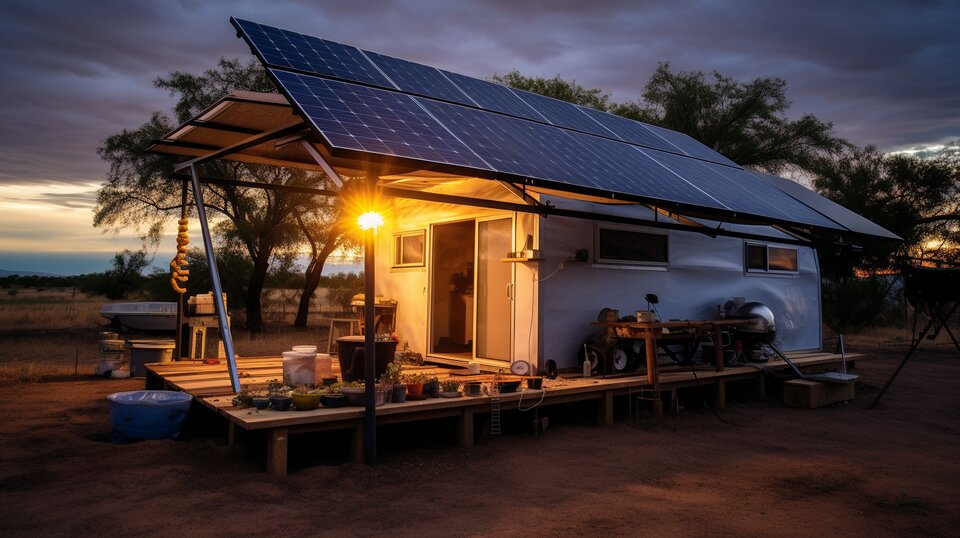
I would not choose between Porto and the countryside from a sunny weekend. Try the ordinary version of both: a rainy Tuesday, a grocery run, a pharmacy visit and the trip home when you are tired.
Porto puts many errands within reach, but that does not mean every address is easy on foot. Rural Portugal can bring more space and quiet, but the distance to services depends on the exact house. The postcode alone will not tell you how the week feels.
What city life looks like here
In Porto, check the walk from the actual front door to the nearest metro or bus stop, not from the centre of the neighbourhood. Hills, stairs, traffic and a slow lift can change the answer. Try the route with the shopping you normally carry.
Pick two everyday destinations and map them from any flat you view. For example, compare the route to Mercado do Bolhão or Mercado do Bom Sucesso, then check your own pharmacy, work or school separately. Cedofeita, Bonfim and Paranhos are not interchangeable: the street, slope and transit stop matter more than the district name.
The trade-off is familiar once you live it: more choice nearby, more noise and traffic, less space, and a housing search that can take patience. A city address does not automatically mean you can skip a car; test your real routine first.
What to test outside the city
At a rural viewing, enter the house address into your map and check the drive to a supermarket, pharmacy, health centre, school and the place you expect to work. Then check the public-transport timetable for the exact stop and day. A weekday service and a Sunday service can be very different; do not plan around a route that runs only when you do not need it.
Ask yourself whether the household can manage with one car, what happens when it needs repairs, and whether you are comfortable arranging routine maintenance for the house and garden. If you do not drive, try the trip you would need most often before signing. “It is only a few kilometres” is not a transport plan.
Do the monthly sums
Compare the whole month, not just the rent: utilities and heating, transport, fuel or car costs, tolls if relevant, internet, and the time and expense of getting to appointments. In an older rural property, ask what repairs were recently done and what heating and water systems are installed. A lower asking price does not answer those questions.
Try before deciding
If you can, rent short-term in the area you are considering and keep your normal schedule. Visit the grocery shop after work, check the last useful bus or train home, and see how often you actually want to go into Porto. If you are comparing places around Greater Porto with more distant countryside, do the same test for both addresses.
I like Porto for the way an unplanned coffee or errand can fit into a day. I also understand why people want a garden and a quieter night. The right answer is the one whose weekday logistics you can live with, not the one that makes the best first impression.