A Porto flat can look bright at 3pm and feel very different after a week of rain. When I view a place, I spend a few minutes checking the parts a wide-angle listing photo never shows: window corners, the backs of wardrobes, bathroom ventilation and the wall under the sink.
You are not trying to diagnose a building in one visit. You are looking for signs that deserve a straight answer before you commit.
Look, smell and feel
- Check the corners of exterior-facing walls, window reveals, ceilings and the area behind furniture you can move without risk.
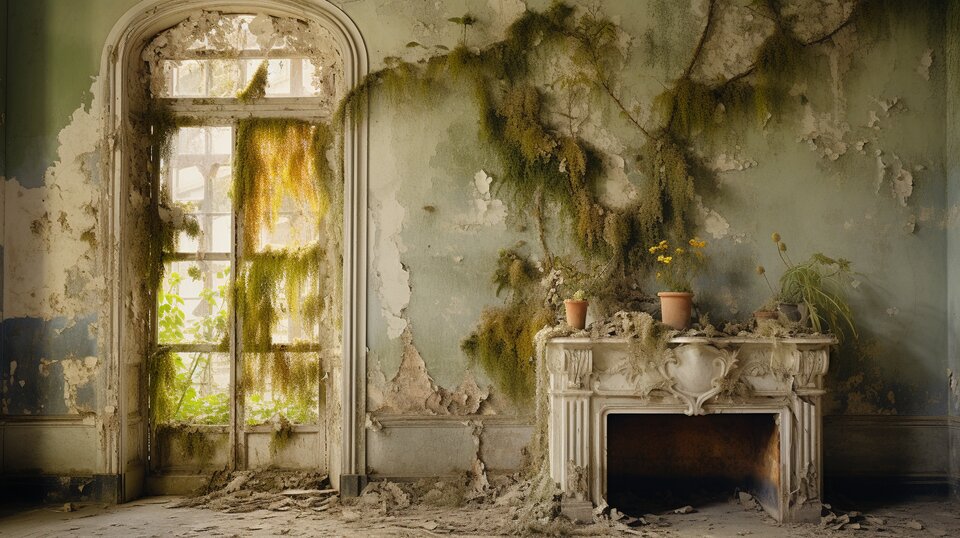
- Look for fresh paint patches, bubbled or peeling paint, water marks, swollen skirting boards, warped wood and black or green spotting.
- Open built-in wardrobes and cupboards, especially those against outside walls. A persistent musty smell is worth asking about even when the surfaces look clean.
- Check under sinks and around plumbing for damp, staining or a recent-looking repair.
- Look at the bathroom ceiling and ask how it vents. A fan should work; if there is only a window, check that it opens and ask how long it typically takes the room to clear after a shower.
Condensation on a cold window is not the same as a leak, but repeated wetness, staining or damaged materials needs an explanation. If you can, view after rain or ask for a second look on a wet day.
Ask practical questions
I keep these questions plain: “Já houve problemas de humidade ou infiltrações?” (Have there been damp or leak problems?) and “Como é feito o aquecimento?” (How is the flat heated?) Ask what equipment is included, how hot water works, whether there have been roof, facade or plumbing repairs, and who you contact if a leak appears. Get important answers in writing and make sure the heating appliances you are shown are part of the rental.
Pay attention to the answer as well as the flat. A specific explanation and a record of repairs are more useful than “it’s fine” or a newly painted wall.
Check the room, not just the forecast
Porto’s winter is often more about damp days and chilly interiors than dramatic cold snaps. Stand in the bedroom and bathroom for a minute. Check whether windows close properly and whether there is a way to ventilate after cooking and showering. Ask what the heating costs to run; the appliance may work, but the monthly bill matters too.
Orientation and sunlight can affect how a room feels, but they do not prove a flat is dry or damp. Look for evidence in that particular room rather than deciding from the direction it faces.
Before you move in
Photograph the walls, ceilings, window frames, cupboards and any existing marks, with the date recorded. Send the landlord or agent a written note about any visible damp or damage before your belongings cover it. Keep the reply and any repair promises with your rental paperwork.
After you move in
Portugal’s Direção-Geral da Saúde recommends ventilating the home for at least 10 minutes a day, and while or after cooking, bathing, cleaning or drying laundry indoors. Follow the DGS indoor-air recommendations. If damp or mould appears, photograph it and report it promptly; ventilation may help with moisture from everyday activities, but it will not repair a leak or a building defect. The DGS also explains that excess dampness can encourage mould and other microorganisms in the home.
If you find active water ingress, widespread mould or damaged plaster, pause before signing and ask for a clear written plan for inspection and repair. In a rental, it is much easier to establish what was already there before the keys and your furniture arrive.