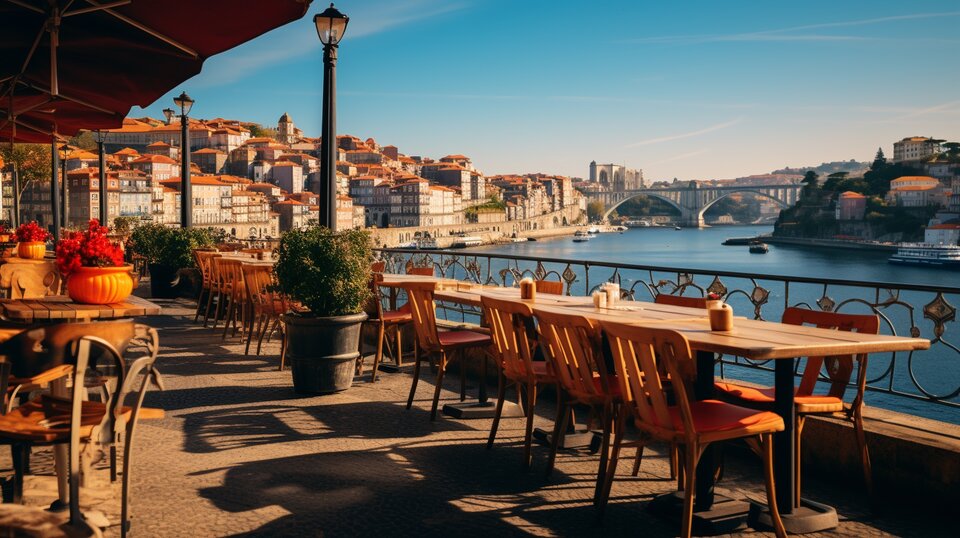
Porto is not Paris or London expensive, but it is also not the cheap little secret people still talk about from years ago. The city got popular, rents went up, hotel prices noticed, and summer weekends can be very different from a quiet week in February.
For a normal visit, I would think about the budget in two parts: where you sleep, and what you spend once you are here. Accommodation is usually the part that changes the most. Coffee, transport and simple meals are still quite manageable if you do not spend the whole trip in the most obvious tourist streets.
The numbers below are rough working ranges for one adult, per day, before flights. If two people share a room, the hotel part gets easier. If you travel solo and want a private room, Porto can feel more expensive than expected.
Daily budgets I would use
- Tight budget: about 60 to 100 euros a day, usually with a hostel bed or very simple room, bakeries, cafes, walking and only a few paid sights.
- Comfortable but not fancy: about 120 to 220 euros a day, usually with a decent guesthouse or hotel, proper meals, some paid visits and the occasional taxi.
- Easy budget: 250 euros and up, especially with better hotels, restaurants, wine tastings, tours, taxis and less need to compromise.
I would not treat those numbers like law. Porto in August, São João week, big-event weekends and last-minute hotel booking can change everything. January or February can be much kinder, as long as you accept rain and shorter days.
Accommodation is the big one
This is where most visitor budgets break. You can still find cheaper places, but the centre is no longer a bargain zone. A room that feels reasonable in winter can become painful in summer, and Friday or Saturday nights can jump a lot.
If it is your first time, I would usually pay a bit more to stay somewhere practical. A cheap room far away can stop being cheap when every day starts with transport, tired legs or taxis back at night.
For a short stay, I would rather be central-ish and simple than far away and slightly nicer. Baixa, Cedofeita, Bonfim, Ribeira, Aliados, São Bento and parts of Gaia can all work, depending on what kind of trip you want. Matosinhos is good if you care about the sea and seafood, but it is not the same as staying in the historic centre.
Food can still be good value
Porto is still a good food city for the money, if you avoid the places that are clearly selling the view more than the food. A coffee and pastry can stay cheap. A simple lunch menu can still be very fair. A normal dinner does not need to hurt.
For rough planning, I would think like this:
- Coffee or pastry stop: a few euros, unless you are in a very famous place.
- Simple lunch: often around 10 to 15 euros if you keep it local and casual.
- Normal dinner: around 20 to 35 euros per person in many places, before you get too excited with wine.
- Nicer dinner: 40 euros and up is easy if you order wine, starters or go somewhere more polished.
The riverfront is not automatically bad, but it is not where I would look first if I was watching money. I would rather eat a few streets back, or in Bonfim, Cedofeita, Matosinhos, Gaia or places where local people are also sitting down.
Transport is not the problem
Public transport in Porto is still cheap compared with many European cities. At current Andante prices, the blue card itself costs 0.60 euros, a central Z2 trip costs 1.40 euros, and the airport trip is usually a Z4 ticket, currently 2.30 euros. A 24-hour Andante can make sense if you are using transport several times in one day.
The thing visitors mess up is not usually the price. It is the zones, validation and buying the wrong ticket when tired. For a short visit, walking plus metro is enough for many days. Use taxis or ride-hailing when the hills, rain or luggage make it worth it.
Attractions and museums
Porto has plenty you can enjoy without paying: viewpoints, churches from the outside, tiled facades, markets, the river, neighbourhood walks, gardens and sunset if the weather helps.
Paid sights add up, though. Many museums, churches and monuments sit somewhere in the low-to-mid ticket range, but the total grows if you do several in one day. Palácio da Bolsa, São Francisco, Serralves, Casa da Música tours and port cellars are all worth considering, but I would choose what you actually care about instead of collecting entrance tickets.
The Porto.CARD can help some people, especially if you plan museums and public transport around it. It starts from 7.50 euros for the card-only version, and there are versions with transport included. I would do the small calculation before buying it, because the card is only useful if you use the benefits.
Port wine and tours
Port wine tastings are one of those things that can be quite reasonable or suddenly become a full paid experience. A basic cellar visit is one kind of cost. A more premium tasting, food pairing, Douro day trip or private tour is another thing completely.
If you care about wine, spend money there and save somewhere else. If you do not care about wine, do not force two cellar visits just because Porto is famous for it. One good visit is enough for many people.
The tourist tax
If you stay in the municipality of Porto, remember the municipal tourist tax. The current Porto rate is 3 euros per night, per person, charged per overnight stay, with exemptions such as children up to 12 years old. It is not usually the biggest cost, but it can surprise people because it may be charged separately from the booking price.
Gaia, Matosinhos and other municipalities can have different rules, so check where your accommodation actually is. Some places market themselves as Porto when they are across the river or outside the city.
Where people spend more than expected
- Last-minute hotels in high season.
- Taxis after dinner because the walk back is uphill.
- Port tastings that become shopping.
- Restaurants with a view but average food.
- Day trips booked without comparing what is included.
- Staying far away and paying in time every day.
What I would budget for a first visit
For a first Porto trip, I would plan the hotel carefully, then keep daily spending flexible. A good normal day might be coffee, a simple lunch, one paid visit, a nice dinner and some metro or taxi use. That is not a luxury trip, but it also does not feel like you are counting every coin.
If money is tight, Porto still works. Stay simple, walk more, eat lunch menus, choose only the paid sights you really want, and do not make the trip about checking off every famous place.
If you have more room in the budget, spend it on location, one good meal, and maybe a proper Douro or cellar experience. Those are the things you will probably remember more than a slightly larger hotel room.
My take
Porto can still be a good-value city, but it is not a magic cheap city anymore. The best way to keep costs under control is to book accommodation early, stay somewhere practical, and avoid building every day around paid activities.
I would not come here expecting everything to be cheap. I would come expecting a city where you can still have a very good few days without spending stupid money, if you make a few sensible choices.